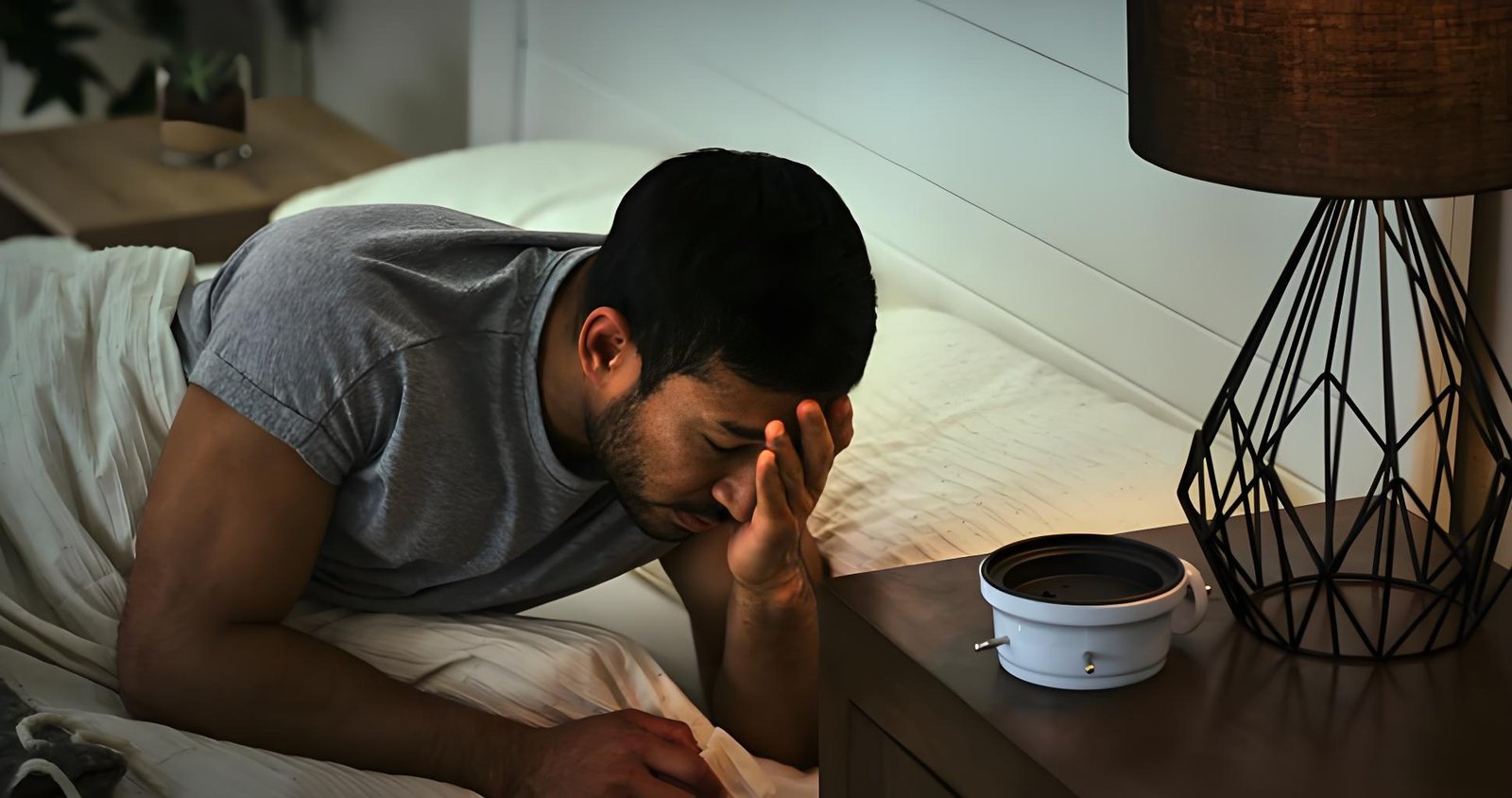
Delayed Sleep Phase Syndrome: When Your Body Clock Refuses to Cooperate
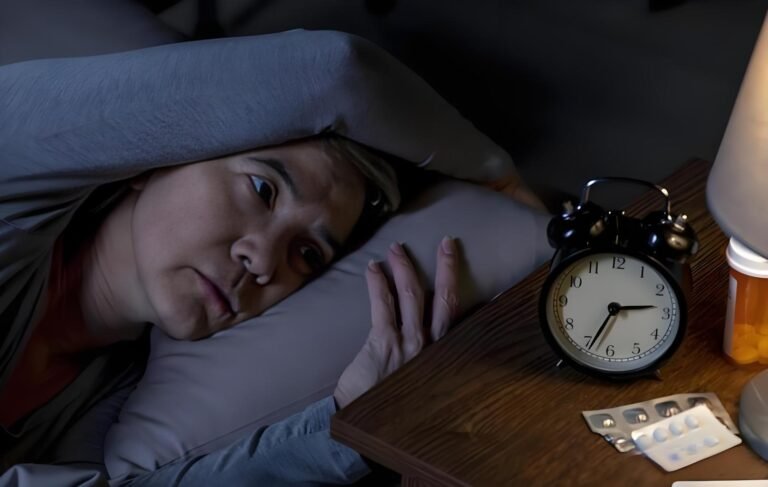
Most people have experienced the occasional late night—finishing a show, scrolling on a phone, or cramming for a deadline. But for some, “staying up late” is not a choice. It is a persistent, involuntary shift in their internal clock that makes falling asleep at a conventional hour nearly impossible. This condition is called Delayed Sleep Phase Syndrome (DSPS), also known in newer diagnostic manuals as Delayed Sleep–Wake Phase Disorder (DSPD).
What Is Delayed Sleep Phase Syndrome?
Delayed Sleep Phase Syndrome (DSPS) is a circadian rhythm sleep disorder in which a person’s biological sleep–wake cycle is shifted significantly later than the socially expected times.
In practical terms:
- The body naturally wants to fall asleep 2 or more hours later than the conventional bedtime (e.g., 2:00 a.m.–4:00 a.m.)
- It also wants to wake up much later (e.g., 10:00 a.m.–noon)
- Once asleep, sleep quality is usually normal—deep, uninterrupted, and restorative
The problem is not how a person sleeps, but when their brain allows sleep to happen.
Why It Happens
Delayed Sleep Phase Syndrome (DSPS) is not laziness, poor discipline, or a love of midnight hours. It is rooted in biology.
The Internal Clock Mismatch
The brain’s master clock, located in the suprachiasmatic nucleus (SCN) of the hypothalamus, regulates melatonin release, body temperature, and alertness. In DSPS, this clock runs on a delayed loop—melatonin rises too late, and the “wake-up” signal arrives too late.
Common Contributing Factors
- Genetics: DSPS often runs in families; certain “clock genes” (e.g., PER3, CRY1) are linked to delayed rhythms
- Age: It is especially common in adolescents and young adults, when the biological drive to stay up late peaks
- Light exposure: Bright evening light (especially from screens) suppresses melatonin and pushes the clock later
- Behavioral reinforcement: Trying to force early sleep, failing, then sleeping in on weekends widens the gap
What It Feels Like
People with Delayed Sleep Phase Syndrome(DSPS)often describe a daily tug-of-war between their body and the outside world.
Core Symptoms
- Inability to fall asleep before the delayed time, no matter how tired
- Extreme difficulty waking for school, work, or social obligations
- Chronic sleep deprivation when forced onto a normal schedule
- Feeling most alert and focused in the evening or at night
- Needing weekends or days off to “catch up” with long lie-ins
The Hidden Toll
Because they sleep well when allowed to follow their rhythm, many are told they are “just not trying hard enough.” Over time, the mismatch can lead to:
- Daytime fatigue and impaired concentration
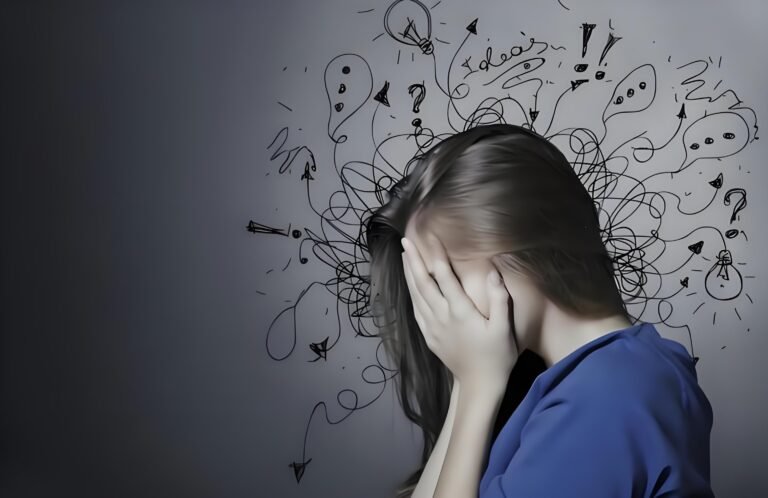
- Irritability and low mood
- Strained work or academic performance
- Social isolation and guilt
How It Is Diagnosed
Diagnosis is usually made by a sleep specialist using:
- Clinical history: persistent pattern for ≥3 months
- Sleep diaries: 2–4 weeks of recorded bedtimes, wake times, and sleep quality
- Actigraphy: a wrist-worn device that tracks movement and rest–activity patterns
- Melatonin or core body temperature curves (in research or complex cases)
Delayed Sleep Phase Syndrome(DSPS)must be distinguished from insomnia, depression, and poor sleep hygiene—conditions where sleep itself is fragmented or unsatisfying.
Treatment: Shifting the Clock
There is no “cure,” but DSPS can be managed so it stops disrupting life.
Light Therapy
- Exposure to bright light immediately upon waking (typically 10,000 lux for 20–30 minutes)
- Helps advance the internal clock by signaling “morning” to the brain
Controlled Melatonin Timing
- Low-dose melatonin 1–3 mg, taken 4–6 hours before the desired bedtime
- Not a sleeping pill—it is a time cue (chronobiotic)
Sleep Scheduling
- Gradual advance: moving bedtime 15–30 minutes earlier every few days
- Avoiding “social jetlag”—the drastic weekend sleep-ins that undo progress
Behavioral Support
- Dim lighting and no screens 1–2 hours before the body’s natural sleep time
- Consistent wake-up time, even on days off
- Strategic napping (short and early) to avoid further delay
In rare, severe, treatment-resistant cases, some clinicians recommend chronotherapy (cycling sleep later and later around the clock until the target time is reached), though it must be done under supervision due to relapse risk.
Living with a Late Clock
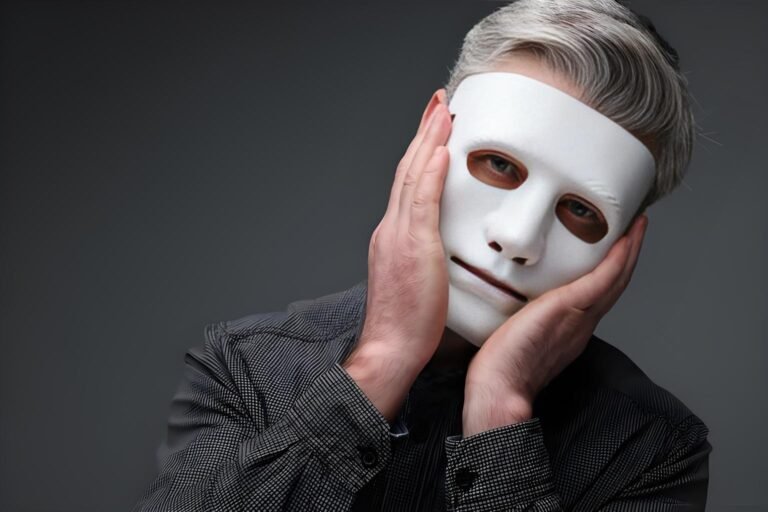
Perhaps the hardest part of DSPS is not the biology—it is the misunderstanding. Being called lazy, unmotivated, or undisciplined takes a psychological toll that often exceeds the fatigue itself.
With proper diagnosis and management, many people with DSPS build careers and lives that honor their rhythm: night-shift work, creative fields, remote roles, or flexible academic paths. The goal is not to force everyone into the same 9–5 clock, but to align biology and lifestyle as closely as possible.
A Final Note
Delayed Sleep Phase Syndrome is not a lifestyle choice. It is a mismatch between your internal timekeeper and the world’s schedule. Recognizing it as a legitimate medical condition—not a character flaw—is the first and most important step toward better sleep, and a fairer story about who you are when the lights go out.