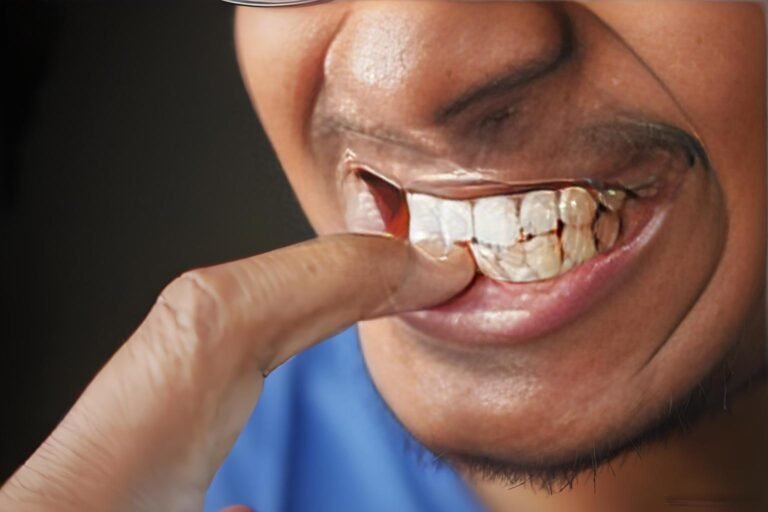
Do You Believe It? The Way You Eat Reveals The State Of Your Life.
Do you believe it? The way you eat reveals the state of your life.
Why would I say that?
Today, Kelly wants to talk with you about emotional eating.
There’s a workplace injury called “burnout fat.”
Most of us are the same — just people struggling to get by in reality. Faced with pressure from life, work, relationships, and everything else, we can’t escape it, and we can’t solve it. So we use food to numb it, at least for a while.
Just as a blogger on Bilibili put it:
“At work, I have no way out. But when it comes to eating, I have agency — I can choose to eat high-calorie food; I can choose to gain weight.”
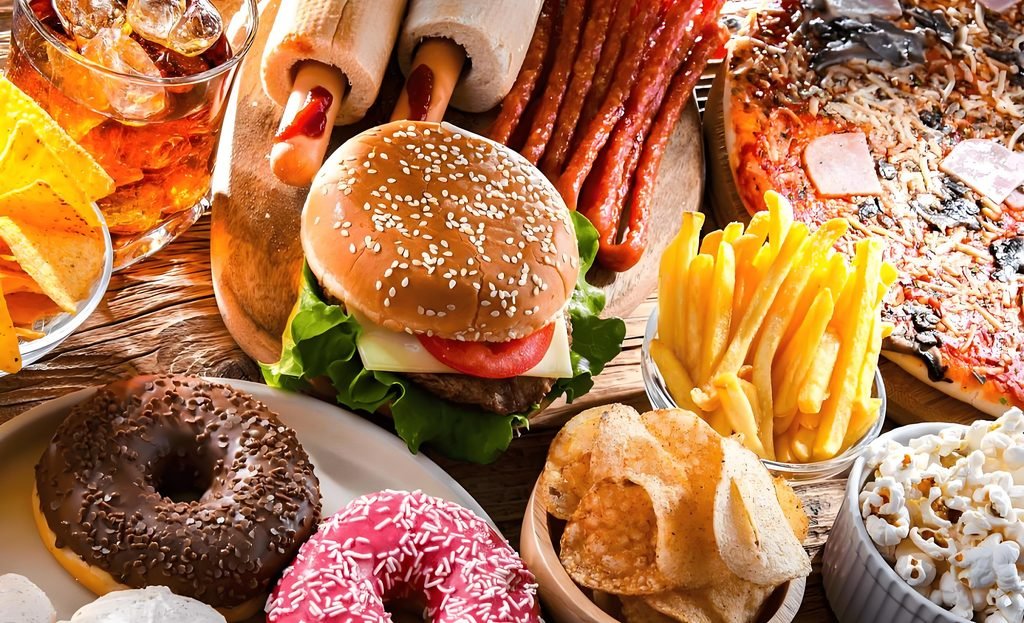
A pure cheese sandwich for breakfast, ice cream and donuts for lunch, fried chicken and pizza for dinner.
Isn’t she afraid of getting fat?
She is. She just doesn’t care anymore.
“I’m doing it on purpose!”
At this point, eating is no longer about hunger. It’s about suppressing the pain inside.
This kind of retaliatory eating is actually emotional eating triggered by exhaustion and stress.
In reality, the types of “emotional eating” go far beyond this.
The lonely-and-empty type: “It’s so boring tonight. I just want to order some duck necks to chew on.”
The self-rewarding type: “I just finished a huge project. I have to treat myself to a good meal tonight.”
The emotion-avoiding type: “I fought with my boyfriend. I have to binge! If my stomach is full, my heart won’t hurt so much.”
The dieting-aftermath type: “Ever since I started losing weight, cakes I used to ignore now stop me in my tracks.”
Emotional eating is no longer about meeting a physical need. It’s about relieving psychological hunger and discomfort.
Stress-induced thinness: the other extreme of emotion
Unlike “burnout fat,” where the more tired you are, the heavier you get, another group of people gets thinner the more exhausted they are.
I have a friend who was under enormous pressure while preparing for her postgraduate entrance exams. Every time a meal came around, she seemed absent-minded. She looked like she was eating, but her head was full of the vocabulary she’d just memorized and the formulas she’d just learned. The food in her mouth had no taste at all.
A few months later, she had lost a full 20 pounds. On exam day, she got through it on a single bottle of glucose.
This is emotional anorexia caused by overwork and stress.
People tend to empathize easily with those who emotionally overeat. But those with “emotional anorexia” seem hard for most people to understand.
I once saw a girl on Instagram post a photo of herself weighing 70 pounds, captioned: The sorrow of someone with emotional anorexia — failing to gain weight.
The comments underneath were a mixed bag.
Some were envious: “Wow, aren’t you just humble-bragging?”
Some were curious: “How did you get this thin?”
Others were admiring: “Please enlighten me, fairy — how do I get anorexia?”
She had wanted comfort. What she got was curiosity and a crowd gawking.
She could only reply: “You don’t understand my pain. To keep myself from fainting from hunger, I flatten a piece of bread every morning and force myself to swallow it. I’m so thin now you can count my ribs. I get woken up by them pressing into me every night. I honestly think a cold could finish me off!”
Emotional anorexia isn’t as dangerous as clinical anorexia — it won’t starve you to death. But it still disrupts your life and leaves you in a place where no one understands you.
As one Instagram user put it: “Family and friends only ever tell me to eat more. They don’t know that I want to eat too — I just really can’t.”
The truth is, whether it’s emotional overeating or emotional anorexia, both turn food into a tool for soothing emotion. The difference: the former uses eating to redirect attention and avoid uncomfortable feelings. The latter is a heart already overloaded with emotion, using the refusal of food to keep any more emotion from entering the body.
Emotional eating: a vicious cycle of self-rescue
People joke: there’s no pain a good meal can’t fix. And if there is, have two.
But deep down, they know it themselves: avoidance works — just not forever.
Every attempt to save yourself with food pulls you into a fresh round of self-denial. Emotional eating tends to bring three major negative consequences:
1. Losing sensitivity to your emotions
Defending against stress, soothing negative feelings, filling emptiness and loneliness — all are major triggers for emotional eating. In essence, all are attempts to rescue yourself from emotion. But the results rarely live up to the intention.
In the short term, food really can make us a little happier. But in the long run, using eating to avoid emotion doesn’t save you — it costs you your ability to feel emotion at all, and invites emotion’s backlash.
2. Getting addicted to high-calorie food
Research shows that when the body or the emotions are in pain, people gravitate toward high-fat, high-calorie foods. The BBC documentary Why Do We Comfort Eat? scanned participants’ brains and found that when people feel down, their craving for chocolate milkshakes increases.
One explanation is that high-calorie foods prompt the release of insulin and dopamine, which help fend off stress. But hormonal changes are, after all, short-lived. Once the hormone levels drop, we experience the letdown of falling from pleasure back into low spirits. To fight that drop, we subconsciously crave another round of eating to feel satisfied again. And so the process keeps reinforcing itself — until it becomes an addiction.
3. Sinking into self-blame and guilt
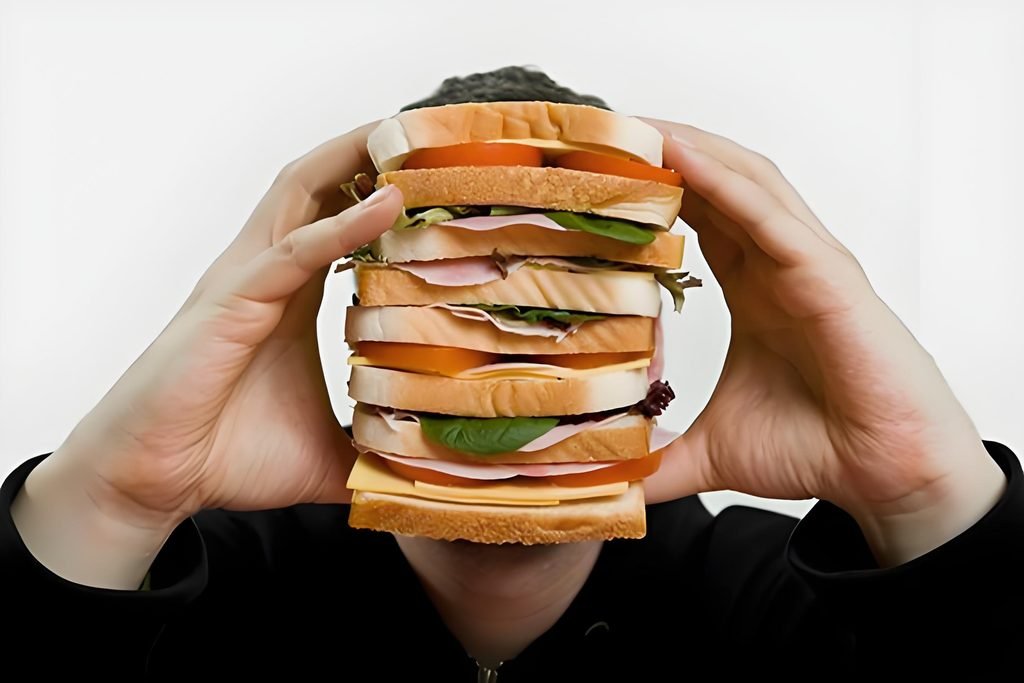
Very often, when we realize we’re emotionally eating and still can’t stop, we slip easily into self-reproach.
Grace Wong, first runner-up for Miss Hong Kong, spent a long stretch of time releasing her stress through eating. But every time after she ate, she felt an even heavier sense of guilt and self-blame. Once, while eating a cookie, she was suddenly struck by how sinful it felt — and threw the cookie straight into the trash. In the end, she couldn’t resist. She fished the cookie back out of the bin and ate it, crying as she did.
Like her, many emotional eaters have lashed out at themselves while unable to stop: “Eat, eat, eat — that’s all you do!” “What else am I even good for besides eating?” “I can’t even control my appetite — how am I any different from an animal?”
But once the vicious cycle has formed, blaming yourself rarely helps. We need to go back to the beginning and look at the emotions we once ignored.
Understand this: what you swallow is food — but what goes down with it is grievance, anger, anxiety, and pain. And your emotions deserve better than to be treated so roughly.
Stop letting your stomach become your heart’s trash can
In the Japanese drama For N, Nozomi, who had an unhappy childhood, loved buying enormous amounts of food, filling the fridge to the brim, and then cooking a huge spread.
Later, after being nourished by love and friendship, she finally let go of her fixation on her wounds — and let go of her fixation on food too.
She said: “When I think about how vast life is, the space in the fridge hardly matters.”
For every emotional eater, letting go of the craving for food isn’t easy. Still, there are things we can do to move one small step forward.
Here are 4 tips from psychologist Melinda Smith and colleagues for anyone who needs them.
1. Tell physical hunger apart from emotional hunger
To break free of emotional eating, you first have to tell whether you’re eating because you’re hungry or simply to soothe emotional discomfort.
Watch out when the following show up — it’s very likely emotional hunger:
- The hunger appears suddenly
- The hunger isn’t in your stomach
- You crave a specific comfort food
- The hunger makes you want to eat frantically
- Once you’re full, the emotional craving still isn’t satisfied
- You feel regret, guilt, or shame afterward
Once you can identify emotional hunger, you gain the ability to choose whether to fill that hunger with food.
2. Keep a mood-and-food diary
Next time you can’t help reaching for something to eat, don’t rush to satisfy yourself. Spend a moment asking: what triggered this emotional hunger?
Write what you find into a food-and-mood diary:
- What you ate, or what you wanted to eat
- What happened that upset you
- How you felt before eating
- How you felt while eating
- How you felt after eating
Keep at it for a while, and you’ll start to spot your triggers — when you’re most prone to eating, and which emotions you’re running from.
3. Find alternatives to emotional eating
Understanding your emotional eating cycle isn’t enough. You also need healthier ways to comfort yourself.
When your boss chewed you out and you’re hurting — you don’t have to sob your way through a binge. Try calling a close friend and cursing that heartless boss together over the phone.
When you’re wiped out after work — you don’t have to refuel with a feast. Try lighting some incense, having a small drink, taking a long fragrant bath, and getting to bed early.
When you’re lonely and bored at night — chips, pizza, and ice cream may not fill your heart. Try reading a book, watching a film, or putting on a funny short video. Any of them can leave you feeling steadier and more grounded.
What the method is doesn’t matter. What matters is that you’re consciously starting to change your eating habits.
4. Practice mindful eating
Practicing mindful eating helps you focus on the pleasure of the meal and reduces bingeing.
First, when you shop for ingredients, cook, serve, and eat, use all your senses — really smell, look, taste, and touch.
Then, before eating, take several deep breaths. Stay curious. Notice your posture and state, the people you’re eating with, and the environment around you.
When the food is in front of you, take time to appreciate it — observe its colors and aroma. As you put food in your mouth, pay attention to its texture, the feeling of your teeth chewing, and its flavor.
Most importantly: eat slowly. Keep observing how you change, and stay closely attuned to your body’s fullness signals, so you can stop at any moment.
In closing
Someone once said: the body is not only the vessel of the soul, but the vessel of emotion too.
Every emotion you have, every feeling, leaves a trace on the body — as graceful lines, as illness, or as fat.
If you let your body carry all your bad emotions, one day it won’t be able to hold them.
So don’t turn your body into your heart’s trash can.
Face your emotions, hold them close, and treat yourself as something precious. One day you’ll find: every bit of kindness, acceptance, and care you gave yourself — your body remembers it all.
Next time you’re sad or bored, don’t open the fridge or the delivery app just yet.
Try chatting with a friend or going out for a walk.
Look at the shape of the flowers, the color of the leaves, feel how the wind touches your skin, how the sunlight falls on you.
No matter what, you are always deeply loved by nature.