
Selective Mutism: The Silence That Speaks Volumes
Selective Mutism (SM) is one of the most frequently misunderstood childhood anxiety disorders, often mislabeled as shyness, stubbornness, or even autism. It is characterized by a child’s consistent failure to speak in specific social situations—such as at school or with relatives—despite speaking freely in other settings, like at home with immediate family. This condition is not a choice or a deliberate act of defiance; rather, it is a severe phobia of speaking that can leave a child feeling trapped behind a wall of silence. Understanding this invisible barrier is the first step toward helping children find their voices.
Defining the Disorder: More Than Just Shyness
Selective Mutism typically emerges in early childhood, between the ages of 2 and 4, although it is often not formally diagnosed until a child enters school, where the expectation to speak becomes unavoidable. The Diagnostic and Statistical Manual of Mental Disorders, Fifth Edition (DSM-5)classifies SM as an Anxiety Disorder. The term “selective” is crucial: it indicates that the mutism is situational rather than absolute. A child with SM might chatter non-stop at home but become completely nonverbal at the grocery store, in the classroom, or on the playground. This stark contrast can be jarring for teachers and peers, leading to social isolation and academic difficulties if left untreated.

Symptoms and Behavioral Manifestations
The core symptom of SM is the persistent inability to speak in specific social contexts for at least one month (not limited to the first month of school). However, the disorder often presents with a cluster of associated behaviors rooted in extreme social anxiety. These include:
- Freezing and Immobility: Children may stand motionless, avoiding eye contact and appearing “wooden.”
- Clinginess: Excessive attachment to a parent or caregiver in social settings.
- Negative Moods: Irritability, social withdrawal, or oppositional behavior when pressured to speak.
- Physical Complaints: Headaches or stomachaches triggered by anxiety about speaking situations.
- Compensatory Behaviors: Using gestures, nodding, pointing, or whispering to communicate instead of verbalizing.
It is important to note that these children are not being manipulative; their bodies are entering a “freeze” response, a primal survival mechanism where the physiological anxiety is so overwhelming that the neural pathways for speech are effectively shut down.
Etiology: Unraveling the Causes
Selective Mutism is not caused by trauma, neglect, or a desire for attention. Current research points to a multifactorial origin involving genetics, neurobiology, and temperament. There is a strong hereditary link; children with SM often have first-degree relatives with anxiety disorders, particularly social anxiety or obsessive-compulsive disorder (OCD). Neurologically, SM is associated with an overactive amygdala—the brain’s “fear center”—which triggers a fight-or-flight-freeze response when faced with social scrutiny. Temperamentally, children with SM are often described as having an “inhibited” temperament, meaning they are slow to warm up to new situations and people. In some cases, an undiagnosed speech or language disorder may coexist, compounding the anxiety about verbal communication.
Treatment Approaches: Breaking the Silence
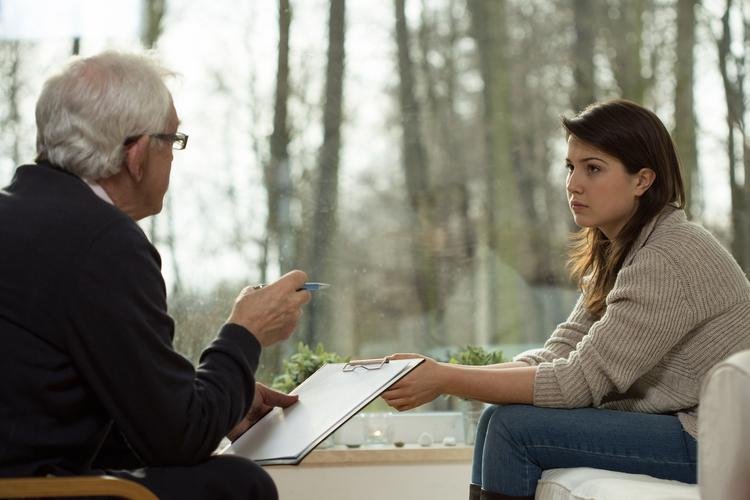
Early intervention is critical for a positive prognosis. The longer the disorder persists, the more entrenched the patterns of silence become. Treatment focuses on reducing anxiety and gradually increasing comfort with verbal communication.
- Cognitive Behavioral Therapy (CBT): This is the gold standard. CBT helps children identify anxious thoughts and teaches them coping mechanisms. Techniques like “stimulus fading” (gradually introducing a new person into a comfortable setting) and “shaping” (rewarding any verbalization, starting with a whisper) are commonly used.
- Behavioral Interventions: Applied Behavior Analysis (ABA) principles can help reinforce brave talking behaviors.
- Parent-Child Interaction Therapy (PCIT): This involves coaching parents to modify their interaction styles to reduce pressure and encourage speech.
- School-Based Support: Collaboration with teachers is essential. Modifications might include allowing the child to answer questions in writing initially or pairing them with a supportive “communication buddy.”
- Medication: In severe cases where anxiety is debilitating, SSRIs (Selective Serotonin Reuptake Inhibitors) may be prescribed to lower the overall anxiety threshold, making behavioral therapy more effective.
Prognosis and Long-Term Outlook
With appropriate and timely treatment, the majority of children with Selective Mutism overcome their symptoms. However, without intervention, SM can persist into adolescence and adulthood, potentially evolving into broader social anxiety disorder, depression, or panic disorder. The goal of treatment is not to force a child to speak, but to alleviate the underlying anxiety so that speaking happens naturally. As children learn that their voice will not lead to catastrophe, their confidence grows. They transition from whispering to full sentences, eventually transforming from silent observers into active participants in the world around them.