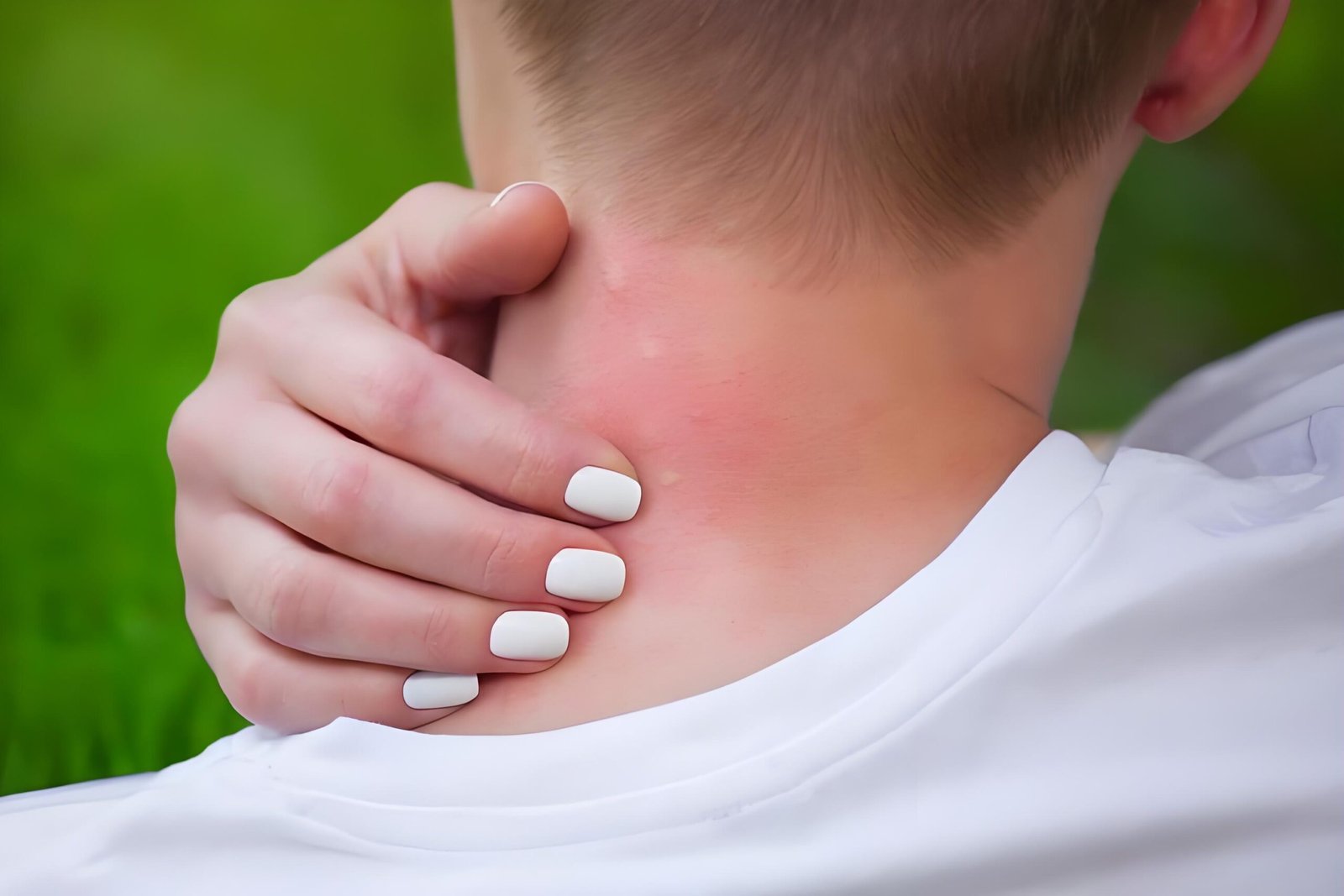
Excoriation (Skin-Picking) Disorder: Beyond a Bad Habit
Most people have experienced the urge to scratch an itch or pop a pimple. It’s a fleeting moment of discomfort, quickly forgotten. But for millions of individuals worldwide, touching, picking, and digging at the skin is not a momentary lapse but a relentless, compulsive behavior that causes significant distress and physical damage. This condition is known as Excoriation Disorder, more commonly called Skin-Picking Disorder (SPD), or clinically referred to as Dermatillomania. It is a mental health disorder that sits at the intersection of dermatology and psychiatry, yet it remains vastly misunderstood, underdiagnosed, and stigmatized.
What Is Excoriation Disorder?
Excoriation Disorder is classified in the Diagnostic and Statistical Manual of Mental Disorders, Fifth Edition(DSM-5) under the category of Obsessive-Compulsive and Related Disorders. It is characterized by recurrent and repetitive picking of one’s own skin, resulting in lesions and tissue damage. Crucially, this behavior is not better explained by another medical condition (like scabies) or a psychotic disorder (where the person might be responding to hallucinations).
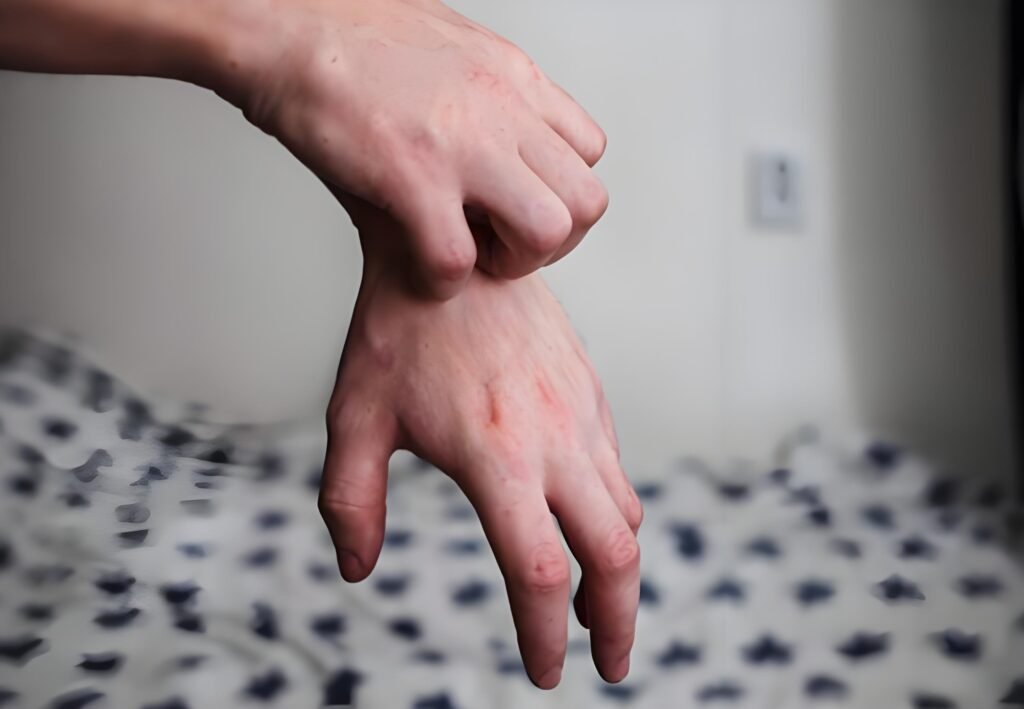
Individuals with SPD often target specific areas, most commonly the face, arms, hands, and fingers, though any part of the body can be affected. The picking can be focused or automatic. In focused picking, the individual is fully aware of their actions and is often driven by a sense of tension or anxiety that is temporarily relieved by the act. In automatic picking, the behavior occurs outside of conscious awareness—while reading a book, watching television, or even sleeping. Many sufferers report doing both.
The Cycle of Shame and Damage
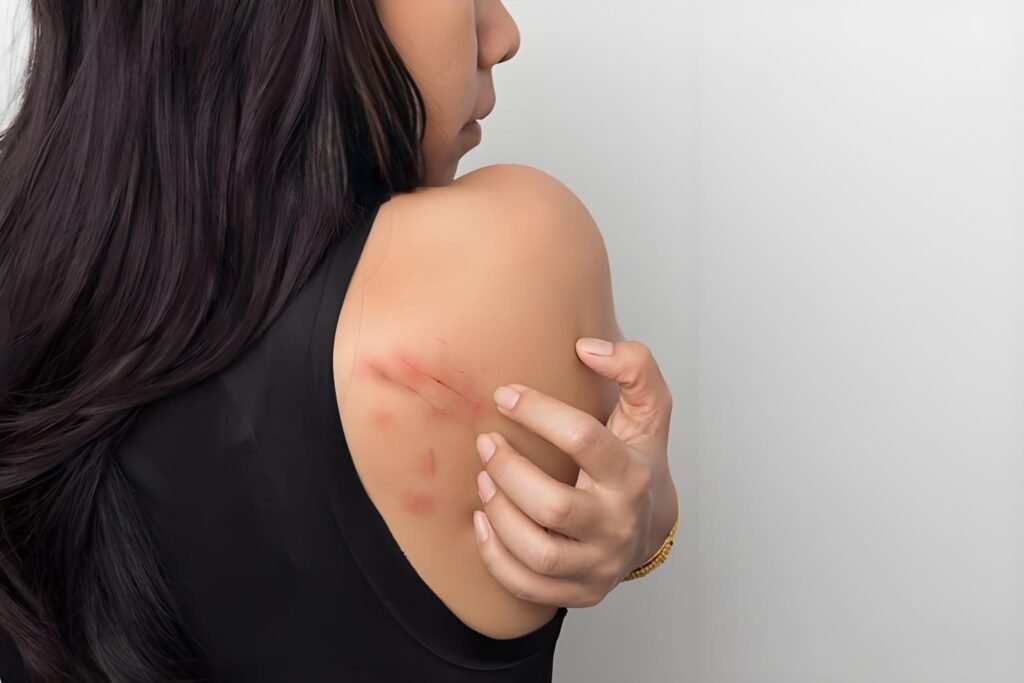
The physical consequences of chronic skin picking are severe and often permanent. These include open sores, scarring, hyperpigmentation, and disfigurement. In severe cases, patients develop infections, cellulitis, or even septicemia. There are documented cases of tissue necrosis requiring skin grafts or, in extreme circumstances, amputation. Beyond the skin, the psychological toll is immense. Sufferers often experience profound shame, embarrassment, and guilt. They may spend hours each day engaged in the behavior or thinking about it, leading to significant impairment in social, occupational, and academic functioning.
A common coping mechanism is concealment. Individuals may wear long sleeves in summer, avoid swimming, or cancel social plans to hide their skin. This isolation feeds into comorbid conditions like major depressive disorder, anxiety disorders, and social phobia. The secrecy surrounding the disorder means that many suffer in silence for years before seeking help.
Causes and Risk Factors
Like many mental health conditions, the exact cause of Excoriation Disorder is unknown, but research points to a combination of genetic, neurobiological, and environmental factors.
There appears to be a strong familial link; individuals with SPD often have relatives with OCD, anxiety, or other body-focused repetitive behaviors (BFRBs) like trichotillomania (hair-pulling disorder). Neurobiologically, studies suggest dysfunction in the cortico-striato-thalamo-cortical circuitry—the same brain pathways implicated in OCD—which affects impulse control and habit formation. Imbalances in neurotransmitters like serotonin and dopamine may also play a role.
Psychologically, SPD is frequently triggered or exacerbated by stress, boredom, or fatigue. It often co-occurs with other conditions, including ADHD, OCD, Body Dysmorphic Disorder (BDD), and eating disorders. Perfectionism is another common trait; some individuals pick at minor imperfections obsessively until they create a wound.
Diagnosis and Treatment
Diagnosing Excoriation Disorder requires a clinical assessment by a mental health professional. Because of the shame involved, patients rarely volunteer information about their picking. Dermatologists are often the first clinicians to encounter the disorder, but without a referral to a psychiatrist or psychologist, the underlying cause may remain untreated.
Treatment typically involves a combination of psychotherapy and medication. The gold standard for psychotherapy is Habit Reversal Training (HRT), a type of Cognitive Behavioral Therapy (CBT). HRT teaches patients to identify triggers, increase awareness of the behavior (especially automatic picking), and replace the picking with a competing response (such as clenching fists or squeezing a stress ball). Acceptance and Commitment Therapy (ACT) has also shown promise in helping patients accept urges without acting on them.
Pharmacological treatments are less standardized but often include Selective Serotonin Reuptake Inhibitors (SSRIs), N-acetylcysteine (NAC)—an amino acid supplement that has shown efficacy in reducing impulsivity—and sometimes opioid antagonists like naltrexone. However, medication is generally considered more effective when combined with therapy.
Breaking the Silence
One of the greatest challenges in addressing Excoriation Disorder is the lack of awareness. Outsiders frequently dismiss it as a “bad habit,” “nervous tic,” or a sign of poor hygiene. Such misconceptions are deeply hurtful and prevent people from seeking the help they need.
Support groups, both online and in-person, have been instrumental in breaking the isolation. Organizations like the TLC Foundation for Body-Focused Repetitive Behaviors provide resources, community, and advocacy. Education is key—for patients, families, and healthcare providers alike.