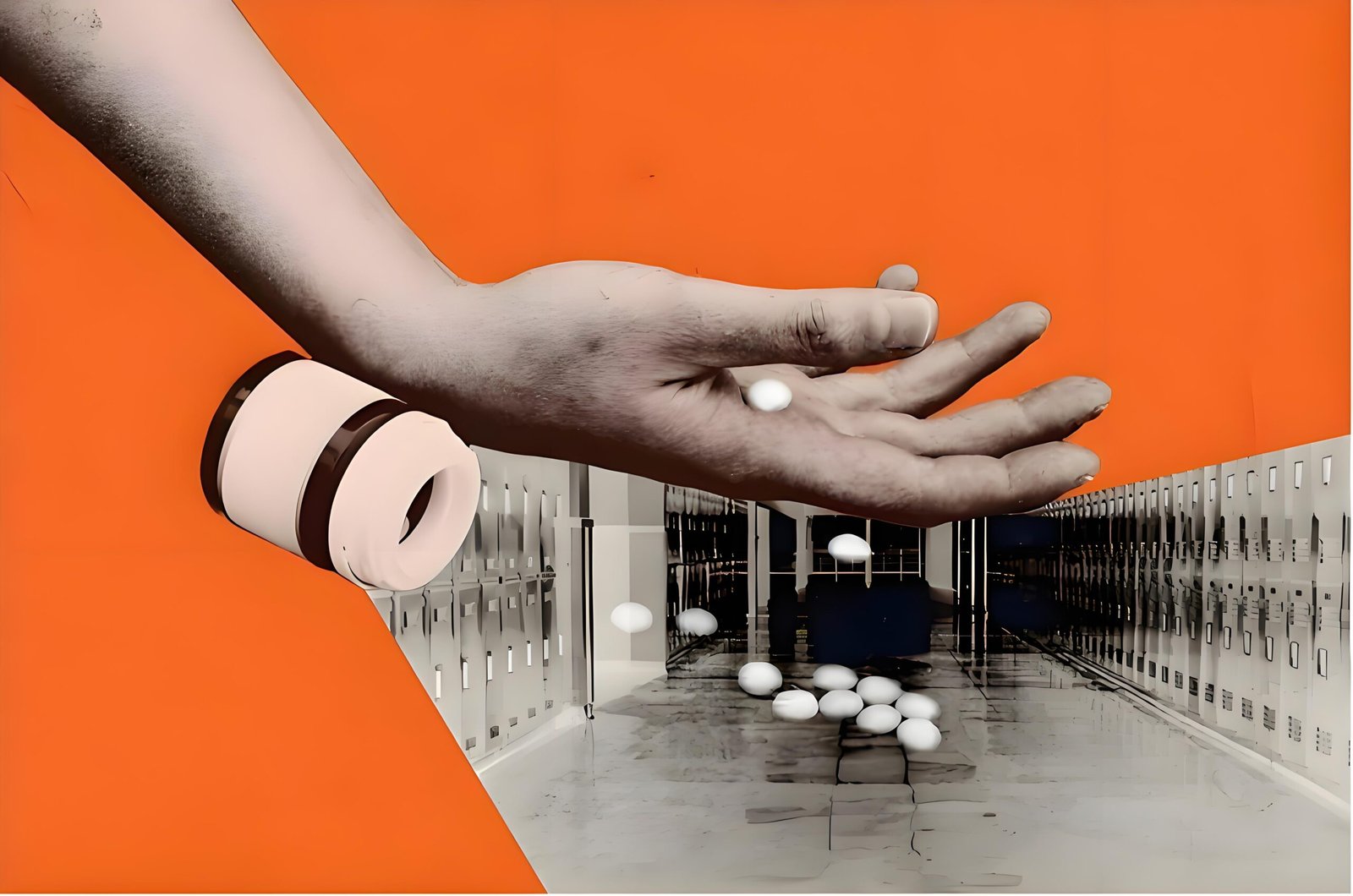
Drug Addiction: A Disease, Not a Moral Failure
For decades, drug addiction was treated as a weakness of character—a sign of bad choices, laziness, or criminal intent. Someone struggling with heroin, methamphetamine, or even prescription painkillers was dismissed as “a junkie” or “a lost cause.” But modern neuroscience has rewritten the story. Today, drug addiction is recognized by the World Health Organization and the American Medical Association as a chronic, relapsing brain disorder. It changes the very structure and function of the brain, hijacking the system designed to reward survival behaviors and turning it against the person it’s supposed to protect.
How Drug Addiction Rewires the Brain
To understand drug addiction, you have to understand dopamine. The brain’s reward circuit—centered in the limbic system—releases dopamine when we eat, connect with loved ones, or achieve a goal. It’s a biological “well done” that reinforces healthy behaviors. Addictive drugs flood this system with dopamine at levels 2 to 10 times higher than natural rewards. The brain, overwhelmed, adapts by reducing its own dopamine production and pruning receptors.
Over time, two things happen. First, the drug becomes the only thing that brings pleasure; normal life feels flat, numb, or even painful. Second, the prefrontal cortex—the part of the brain responsible for decision-making, impulse control, and judgment—becomes impaired. The result is a cruel paradox: the person wants to stop, but their brain no longer gives them the capacity to stop easily. This is why willpower alone rarely works. Addiction is not a lack of morals; it is a loss of neurological balance.
Beyond “Hard Drugs”: The Prescription Crisis
When people think of drug addiction, they often picture illegal street drugs. But some of the most devastating epidemics in recent history began in medicine cabinets. The opioid crisis in the United States, for example, was fueled by widely prescribed painkillers like OxyContin and Vicodin. Patients took them as directed, became physically dependent, and found themselves trapped when prescriptions ran out—many eventually turning to heroin or fentanyl because it was cheaper and more accessible.
Drug addiction also includes commonly underestimated substances: benzodiazepines (anti-anxiety medications), stimulants like Adderall, and even nicotine and alcohol. There is no “safe” substance; there is only the interaction between a drug’s properties, genetics, mental health, trauma history, and environment.
The Cycle of Relapse and Recovery
One of the most misunderstood aspects of drug addiction is relapse. Society tends to view relapse as proof that treatment “failed.” In reality, relapse is often part of the recovery process, much like flare-ups in asthma or diabetes. Cravings can be triggered years later by stress, certain places, or emotional pain. This is why sustainable recovery usually requires more than detox. Effective treatment combines medication-assisted therapy (such as methadone or buprenorphine), cognitive behavioral therapy, peer support groups, and—critically—addressing co-occurring mental illnesses like depression or PTSD.
Equally important is dignity. People in recovery need housing, jobs, and community. Shame is a powerful driver of continued use; belonging is a powerful driver of healing.
Reframing the Response
Countries are slowly moving away from purely punitive drug policies toward public health approaches. Portugal decriminalized all drugs in 2001 and redirected funds to treatment and harm reduction—overdose deaths and HIV infection rates plummeted. Other nations are expanding access to naloxone (a life-saving overdose reversal drug) and safe consumption sites.
None of this means drugs are harmless. They are not. But treating addiction as a crime while ignoring it as a disease has filled prisons and emptied lives. The opposite question is worth asking: what if we treated every person with a drug addiction not as someone to be punished, but as someone in pain?
Addiction may begin with a choice, but it does not end with one. It ends—when it ends—with compassion, science, and the stubborn belief that no one is beyond repair.