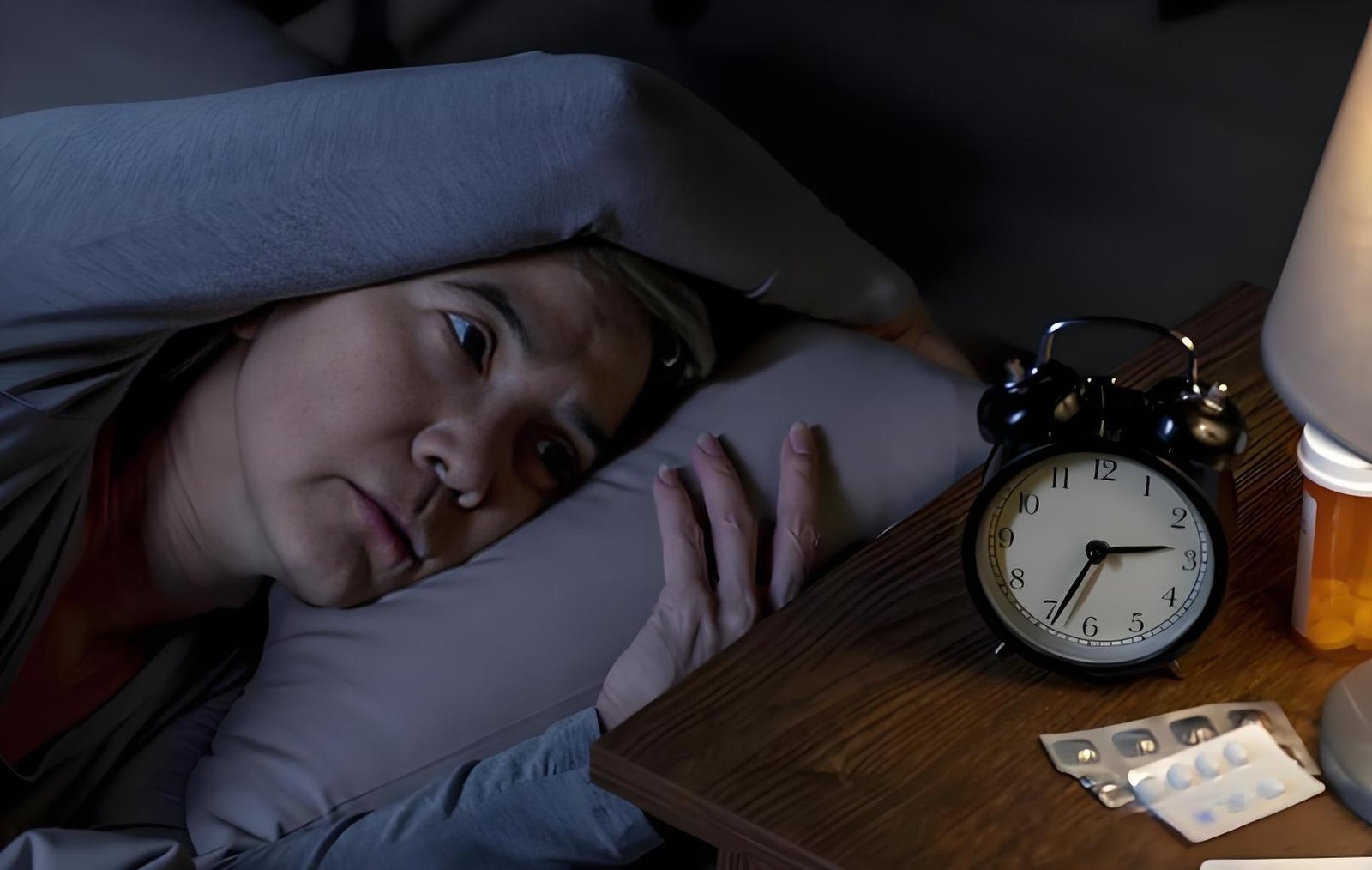
Nightmare Disorder: When Dreams Turn Dangerous
For most people, nightmares are an occasional, if unpleasant, part of life—a fleeting horror movie playing out in the mind during REM sleep. However, for individuals suffering from Nightmare Disorder, these terrifying dreams are not just rare intrusions but a frequent and debilitating reality. Clinically known as Dream Anxiety Disorder, Nightmare Disorder is a parasomnia characterized by repeated, extended, and intensely dysphoric dreams that typically involve threats to survival, security, or self-esteem. Unlike a bad dream that is simply unsettling, a nightmare is so disturbing that it wakes the sleeper, causing significant distress and impairment in daytime functioning. This condition blurs the line between the subconscious and reality, turning the haven of sleep into a source of chronic dread.
Clinical Definition and Diagnostic Criteria
In the Diagnostic and Statistical Manual of Mental Disorders, Fifth Edition(DSM-5), Nightmare Disorder is classified under “Parasomnias.” To receive a diagnosis, several criteria must be met. First, the individual must experience recurrent episodes of extended, extremely dysphoric, and well-remembered dreams, usually involving efforts to avoid threats to survival, security, or physical integrity. Second, upon awakening, the person becomes rapidly alert and oriented, able to recall the vivid details of the dream—a key factor that distinguishes nightmares from sleep terrors, where the individual remains disoriented. Third, the disturbance must cause clinically significant distress or impairment in social, occupational, or other important areas of functioning. Finally, the nightmares must not be attributable to the physiological effects of a substance (like certain medications or alcohol withdrawal) or another medical condition.
The Neurobiology of Nightmares: What Happens in the Brain?
Nightmares occur exclusively during the Rapid Eye Movement (REM) stage of sleep, the phase most associated with vivid dreaming. During healthy REM sleep, the brain’s amygdala (the emotional center responsible for fear processing) is highly active, while the prefrontal cortex (responsible for logic and impulse control) is relatively quiet. In individuals with Nightmare Disorder, this imbalance may be exaggerated. Research suggests that those with the disorder often have heightened amygdala reactivity, making them more prone to fear-based dreams. Additionally, disruptions in neurotransmitter systems, particularly serotonin and norepinephrine, may play a role. The “threat simulation theory” proposed by cognitive neuroscientists posits that dreaming acts as a virtual reality space for rehearsing responses to danger; in Nightmare Disorder, this system becomes overactive, trapping the dreamer in repetitive loops of terror.

Causes and Risk Factors
The etiology of Nightmare Disorder is multifaceted, involving psychological, pharmacological, and genetic components.
- Stress and Trauma: The most significant predictor of nightmares is exposure to trauma. Post-Traumatic Stress Disorder (PTSD) has a high comorbidity with Nightmare Disorder, where nightmares often reenact the traumatic event. However, even non-traumatic stressors, such as job loss, relationship conflicts, or academic pressure, can trigger the condition.
- Mental Health Comorbidities: Nightmare Disorder frequently coexists with other psychiatric conditions, including depression, anxiety disorders, and borderline personality disorder.
- Medications and Substances: Certain drugs can induce nightmares as a side effect. These include antidepressants (SSRIs), antihypertensives (like beta-blockers), and drugs used to treat Parkinson’s disease. Alcohol and sedative withdrawal are also notorious triggers, as they suppress REM sleep initially, leading to a “REM rebound” effect when discontinued, resulting in intensified dreaming.
- Sleep Deprivation: Irregular sleep schedules and insufficient sleep increase the likelihood of nightmares by disrupting the normal architecture of the sleep cycle.
Impact on Daytime Functioning and Health
The consequences of Nightmare Disorder extend far beyond a poor night’s rest. The frequent awakenings lead to chronic sleep fragmentation, resulting in excessive daytime sleepiness, fatigue, and concentration difficulties. Over time, this can impair job performance and academic achievement. The anticipatory anxiety of going to sleep—known as “sleep dread”—can lead to insomnia, creating a vicious cycle where the fear of nightmares prevents sleep, and the lack of sleep worsens the nightmares. Physiologically, the intense fear experienced during nightmares triggers the release of stress hormones like cortisol and adrenaline. Chronic activation of this stress response can contribute to cardiovascular issues, such as hypertension, and weaken the immune system. Psychologically, sufferers often report heightened irritability, mood swings, and an overall reduced quality of life.

Treatment Approaches: From Imagery Rehearsal to Medication
Fortunately, Nightmare Disorder is treatable, and several evidence-based therapies have proven effective.
- Cognitive Behavioral Therapy for Insomnia (CBT-I): Often the first-line treatment, CBT-I helps patients address maladaptive thoughts and behaviors surrounding sleep.
- Imagery Rehearsal Therapy (IRT): Considered the gold standard for nightmare treatment, IRT involves the patient recalling a nightmare and then rewriting the ending into a less threatening or even positive scenario while awake. The patient then mentally rehearses this new version during the day. Studies show that this technique can significantly reduce nightmare frequency by altering the memory structures of the distressing dreams.
- Exposure, Relaxation, and Rescripting Therapy (ERRT): Similar to IRT, ERRT combines relaxation techniques with the rescripting of nightmares and exposure to the nightmare content in a controlled setting.
- Pharmacological Interventions: While not the first choice due to potential side effects, medications such as Prazosin (an alpha-1 adrenergic antagonist) have shown efficacy in reducing nightmares, particularly in PTSD patients. Low-dose cyproheptadine and certain atypical antipsychotics are also sometimes prescribed in refractory cases.
Conclusion
Nightmare Disorder is more than just a series of bad dreams; it is a serious condition that can erode mental and physical health. By understanding its neurobiological underpinnings and psychological triggers, clinicians can better address the root causes. With effective treatments like Imagery Rehearsal Therapy now widely available, individuals no longer have to live in fear of the night. Recognizing the signs and seeking professional help is the crucial first step toward reclaiming the restorative power of sleep and transforming the landscape of one’s dreams from a battlefield back into a sanctuary.