Why Do We Lie to Our Parents Out of Habit?
- In a Harsh Environment, Children Turn Lying Into Instinct
- A Child Who Lies Is Also Developing a Skill
- We Learned the Hard Way: Truth Costs More Than a Lie
- Behind the Lie Is Fear; Beneath the Fear, an Unseen Need
- Wanting Praise, Fearing Blame, Wanting to Protect—That's When People Lie
- The Ironic Truth: The Parents Who Demanded Honesty Lied Too
- When Lying Becomes a Habit: Losing the Line Between Truth and Fiction
- Lies Can't Be Erased, But We Can Stop Lying for Safety
- For Parents: Don't Rush to Expose the Lie—Ask "Why?"
- Closing: May You Become Someone Firm Yet Gentle
Have you ever had a similar experience?
It starts with panic, guilt, and regret. Then, without noticing when it happened, we’re lying with a straight face, the words rolling off our tongues—and suddenly we realize we’ve grown accustomed to lying to our parents.
Does that mean we were born “bad kids” who simply love to lie?
Numerous psychology studies suggest that when a person lies as naturally as they breathe, it may be hiding invisible wounds left by the way their parents raised them.
Today, Kelly is here to talk with you about a question: Why do we lie to our parents out of habit?
In a Harsh Environment, Children Turn Lying Into Instinct
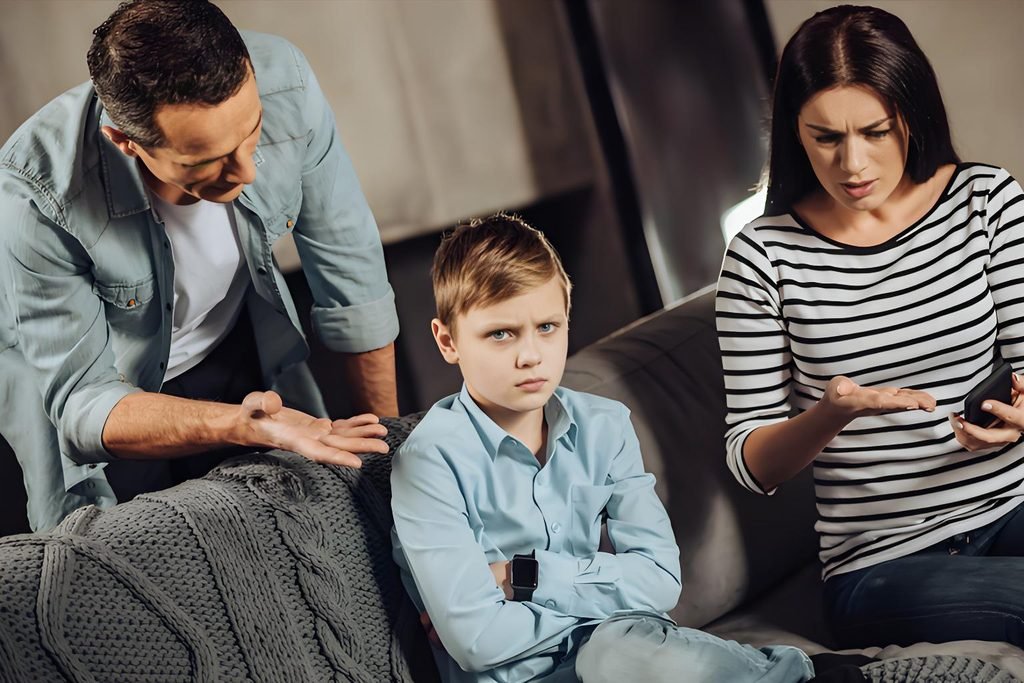
Victoria Talwar, an expert on children’s lying behavior, once ran an experiment at two schools in West Africa—one with a relaxed atmosphere, the other very strict.
The researchers played a “peeking game” with the children at both schools: they had to guess what toy was in the room, and they were told not to peek. During the game, the researcher would step out of the room, and upon returning, would ask each child, “Did you peek?”
After reviewing the surveillance footage, the researchers discovered something striking: the children from the strict school not only all lied, but lied with remarkable sophistication—as if it were pure instinct. Their reactions were sharper than those of average children, and they appeared especially composed and self-assured.
Among them, the 3-year-olds scrambled to produce flimsy excuses. The 4- and 5-year-olds were far better at fabricating stories—lying through their teeth with a perfectly straight face.
The older children used clever little tactics: pretending to guess wrong at first, then gradually arriving at the correct answer, so adults would believe they truly hadn’t peeked.
These children lived under rigid rules where any misstep could bring harsh punishment. Over time, they concluded: better to lie than to be honest—there’s at least a chance of getting away with it.
A Child Who Lies Is Also Developing a Skill
That said, some scientists offer a different view.
A child who lies has to read the adult’s reaction, analyze whether their story has holes, and manage their words and facial expressions so they’ll be believed. All of this is a sign that they’re developing theory of mind and self-control.
Professor Kang Lee of the Centre for Child Development Research in Canada found through years of research that the earlier a child lies and the more skillfully they do it, the higher their emotional intelligence and the stronger their self-control.
A child who lies isn’t entirely a bad thing.
And still, I feel a deep heartache and helplessness about children’s lying.
We Learned the Hard Way: Truth Costs More Than a Lie
As I said earlier, a child who lies a lot may have experienced trauma in their family of origin.
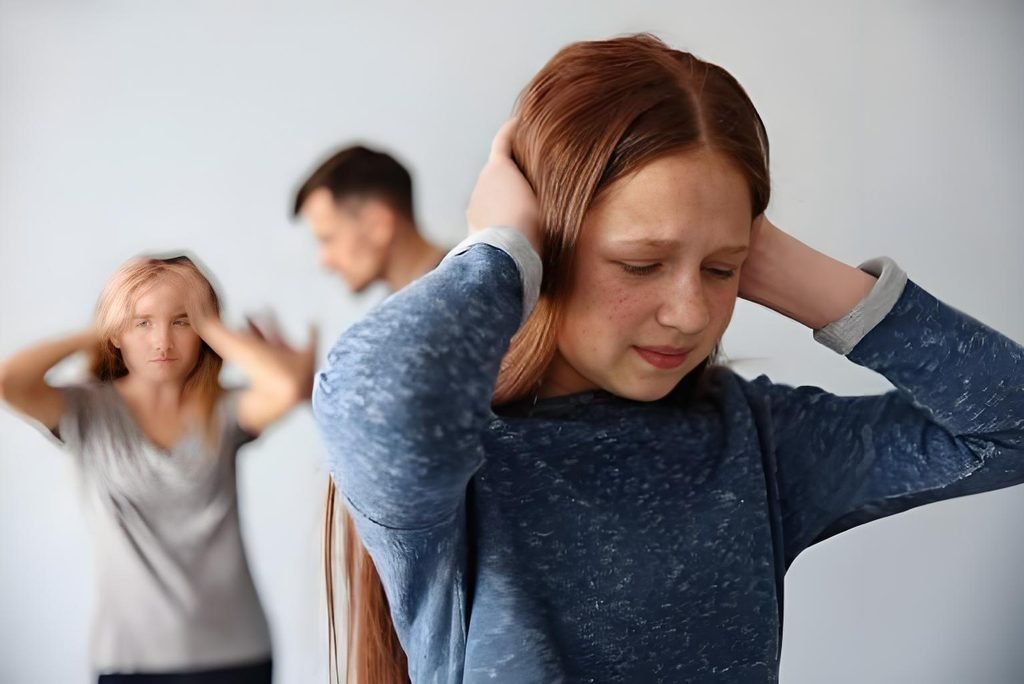
Because it usually takes a great deal of pain before we learn this one lesson: telling the truth costs far more than telling a lie.
Just try it. Take the lies you tell your parents and replace them with the truth. What happens?
- You fell while roughhousing with classmates. Tell your parents the truth, and they’d snap: “No one else is as wild as you!”
- You lost some money. Tell the truth, and they’d say: “You think money grows on trees? How will you ever amount to anything, being this careless?”
- A friend gave you some cosmetics. Tell the truth, and they’d say: “Always wasting your time on how you look! Why don’t you focus on your studies?”
- You quit your job with nothing lined up because you couldn’t take your boss’s emotional manipulation anymore. Tell the truth, and they’d scold you: “What job is easy these days? Why couldn’t you just tough it out?”
That stinging feeling is exactly what one person online described:
“Truth means honesty—but honesty always gets me scolded, belittled, and distrusted by strict parents. Sometimes lying resolves a lot of conflict. But who actually wants to lie?”
A study from the University of Toronto published in the journal Child Development shows that the stricter the parents, the more likely they are to raise children who lie.
Because the child switches on a self-defense mechanism, using lies to escape pain and protect themselves.
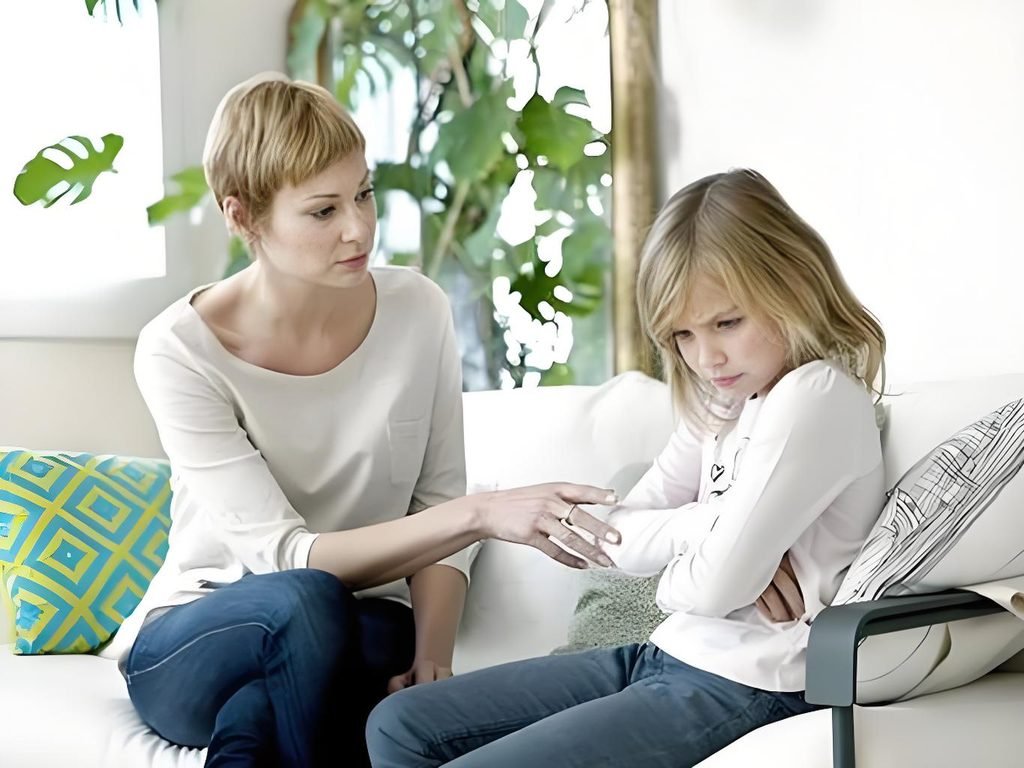
Behind the Lie Is Fear; Beneath the Fear, an Unseen Need
Most parents rarely realize this: behind the lie is fear, and beneath the fear is a real need that has never been seen.
What’s more, few parents pick up on the signal their child is sending through the lie: a longing to be loved.
The other day I rewatched the TV program Teenager Says and saw a teenage boy confess on the rooftop that he “likes to lie.”
His family was fairly well-off, yet he played poor everywhere he went. He refused to replace his worn-out shoes and insisted on patching perfectly good clothes. He wasn’t so poor he couldn’t afford a meal, yet he ate his classmates’ leftovers every day. It was baffling.
Why would he do that?
He explained that when he was little, he often heard adults say, “children from poor families grow up fast,” so he wanted others to see him as independent. His teachers were always emphasizing that “thrift is a good habit,” so he wanted everyone to think he had that virtue.
In other words, he was playing the part of the “good child” everyone likes—and it all came down to one thing: “so people will notice me and like me.”
The truth is, we all have milder versions of this same symptom. You got an average grade, but told your parents the exam was unusually hard and nobody did well. You weren’t the lead on a project at work, but told everyone it was all your doing.
These are all real needs buried in our subconscious: to get a little more attention, to receive love from others—even if it’s just one word of praise.

Wanting Praise, Fearing Blame, Wanting to Protect—That’s When People Lie
Japanese picture book author Hirotaka Nakagawa wrote a passage in his book Lies (谎话) that moved me deeply:
When you want to be praised,
When you don’t want to be scolded,
When you don’t want to be rejected,
When you don’t want to make someone cry,
When you want someone to believe you,
When you want to protect something—
That’s when a person might lie.
The Ironic Truth: The Parents Who Demanded Honesty Lied Too
Here is a rather absurd truth: the very parents who demanded honesty from us since childhood have lied to us plenty.
How many of us were manipulated by this line: “If you don’t behave, the police officer will come and take you away tomorrow.”
Lying is the fastest way for parents to make a child obey. They tell themselves, “The child is still little; they don’t understand anything.” What they don’t realize is that this convenient habit of “parenting by lying” will, decades later, come back to devour the child’s real self.
The Dr. Eric Jackman Institute of Child Study at the University of Toronto conducted a study in which participants were asked to recall whether their parents had lied to them during childhood about things like food, whether they’d stay or leave, bad behavior, or money.
Some participants’ parents had said things like: “If you don’t finish your food, you’ll marry someone with a face full of pimples,” or “If you finish your homework, I’ll take you to Disneyland.”
The researchers then measured how often these participants lied to their parents as adults, whether they showed aggressive, rule-breaking, or impulsive behavior, whether they experienced anxiety, depression, or withdrawal, and whether they tended toward selfishness and manipulation in their personal growth and social relationships.
The finding: children raised with “parenting by lying” grew up to lie to their parents more often.
Because in their eyes, their parents did it too—so what’s wrong with them doing it? And people raised in that environment tend to be more selfish, more impulsive, and more aggressive, and are more prone to anxiety and depression.

When Lying Becomes a Habit: Losing the Line Between Truth and Fiction
It goes further. Once lying has become a habit, telling truth from fiction becomes genuinely difficult, and a person’s self-presentation grows badly scrambled.
They fabricate project experience they never had on a résumé. They spin flattering stories about themselves in social situations. And they don’t feel there’s anything wrong with it.
Because “I’m just protecting my own interests”—even though all of it was gained through deception.
This finding leaves me with mixed feelings.
On the one hand, lying lets us briefly escape our parents’ scolding, quiets the conflict at home, and buys us a moment of peace.
On the other hand, before we lie to others, we have to lie to ourselves—to make ourselves believe in the fabricated reality and emotions we’ve constructed.
Until one day, at some breaking point, we discover the original self has been destroyed—and we wonder: can the real me ever be recovered?
That is what I’m truly afraid of.
Lies Can’t Be Erased, But We Can Stop Lying for Safety
According to the UK’s Daily Mail, whatever form the lie takes, the average person tells two lies a day.
Lies are nearly impossible to erase from life. But is lying all we can do?
Start by asking why we lie in the first place. We lie because we feel fear and insecurity in a relationship. After all, we don’t want to expose ourselves.
So the best remedy is this: find a relationship where you feel safe. In that relationship, you’re allowed to—
- Make mistakes: knowing a wrong turn can be corrected, instead of being told, “How can you not even handle something this small?”
- Be accepted: expressing what you really think without fear of being mocked or threatened with, “Just try it and see.”
- Be vulnerable: admitting you also need to hear “You’re already doing well,” instead of being snapped at with, “Why are you so stupid?”
Let’s slowly step out of the cycle of lying, and tell ourselves: “I don’t have to lie to feel safe.“
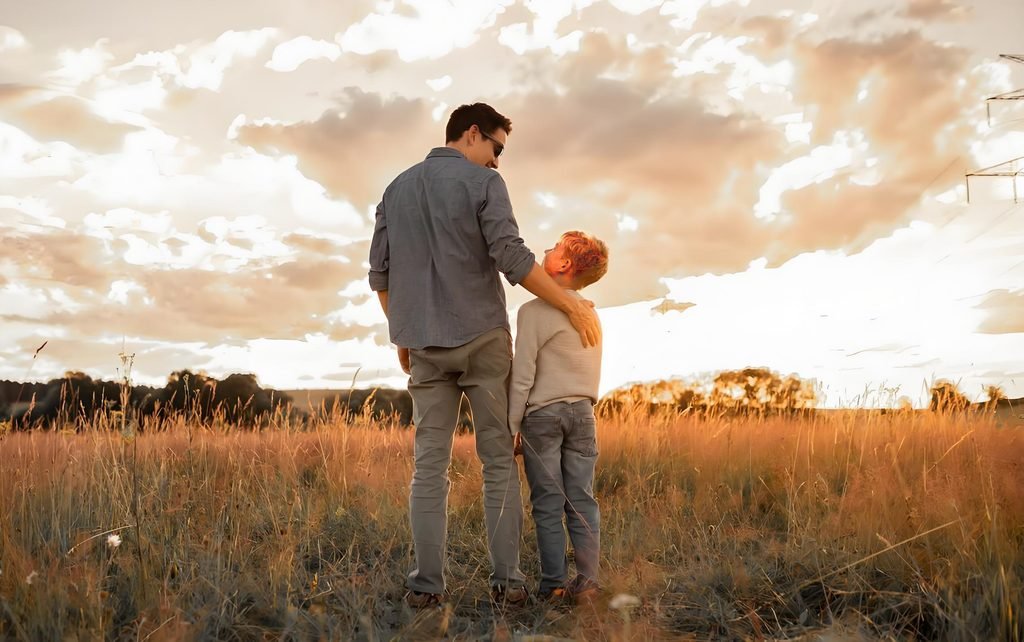
For Parents: Don’t Rush to Expose the Lie—Ask “Why?”
If you’re a parent right now, at your wit’s end over a child who keeps lying, here’s my advice: don’t rush to expose the lie.
Because more important than forcing a confession or doling out punishment is understanding this: why are they lying?
The singer Chang Yu once shared a story on a TV program about his child lying.
One day, his child told him his phone had gone missing. He was puzzled—the phone was clearly right there in the room. How could it be missing?
After talking it over with his wife, he realized the truth: the child wanted a new phone and was worried his parents would say no, so he’d made up the story.
But the couple didn’t confront him. Instead, they let it go and simply started chatting with him:
“I’m fifty years old. Don’t try these little tricks on me. Think it over and decide for yourself whether you want to come clean…”
Two weeks later, the child slipped a note under Chang Yu’s door, admitting what he’d done.
And something remarkable happened: after that, his schoolwork improved, and their relationship grew much closer.
From beginning to end, Chang Yu never once scolded him. He simply gave the boy a way out.
Research published in the journal Child Development shows that a non-punitive environment gives children the safety to tell the truth.
When you understand why a child lies, and trust them to own up to it on their own, the best part of who they are gets to come forward.

Closing: May You Become Someone Firm Yet Gentle
I’m reminded of a passage the writer known as “Lao Yang’s Owl” addressed to parents:
I hope that when your child breaks something, their first thought isn’t “I’m dead—my dad is going to kill me,” but “I need to call my dad.”
I hope that when your child bombs a test, their first thought isn’t “It’s over, I’m going to get it at home,” but “I really feel like going for a walk with Mom.”
I hope that when your child goes through a breakup, their first thought isn’t “Ugh, they’ll just say I had it coming,” but “Heh—guess Dad’s buying all the movie tickets from now on.”
When a person doesn’t have to grow up in fear, and is nourished by an environment of trust, acceptance, and understanding, they can become honest and open.
Whether you’re still someone’s child, or you’ve become a parent yourself—I hope we can all become people who are firm, yet gentle.