Postpartum Depression: Beyond the Baby Blues
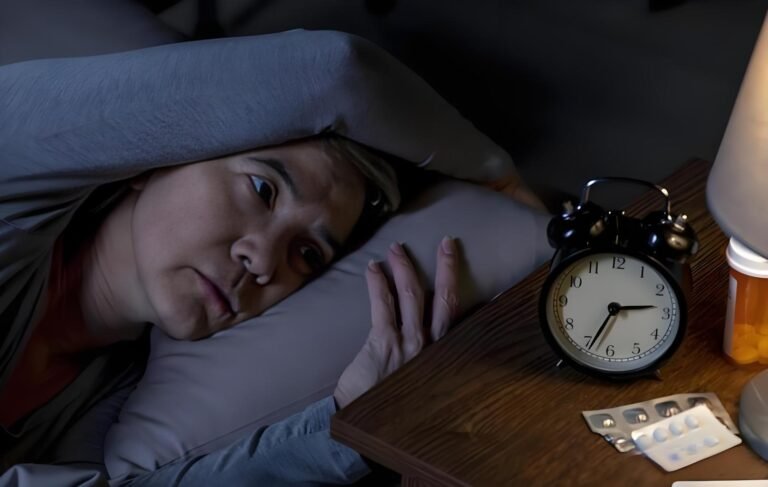
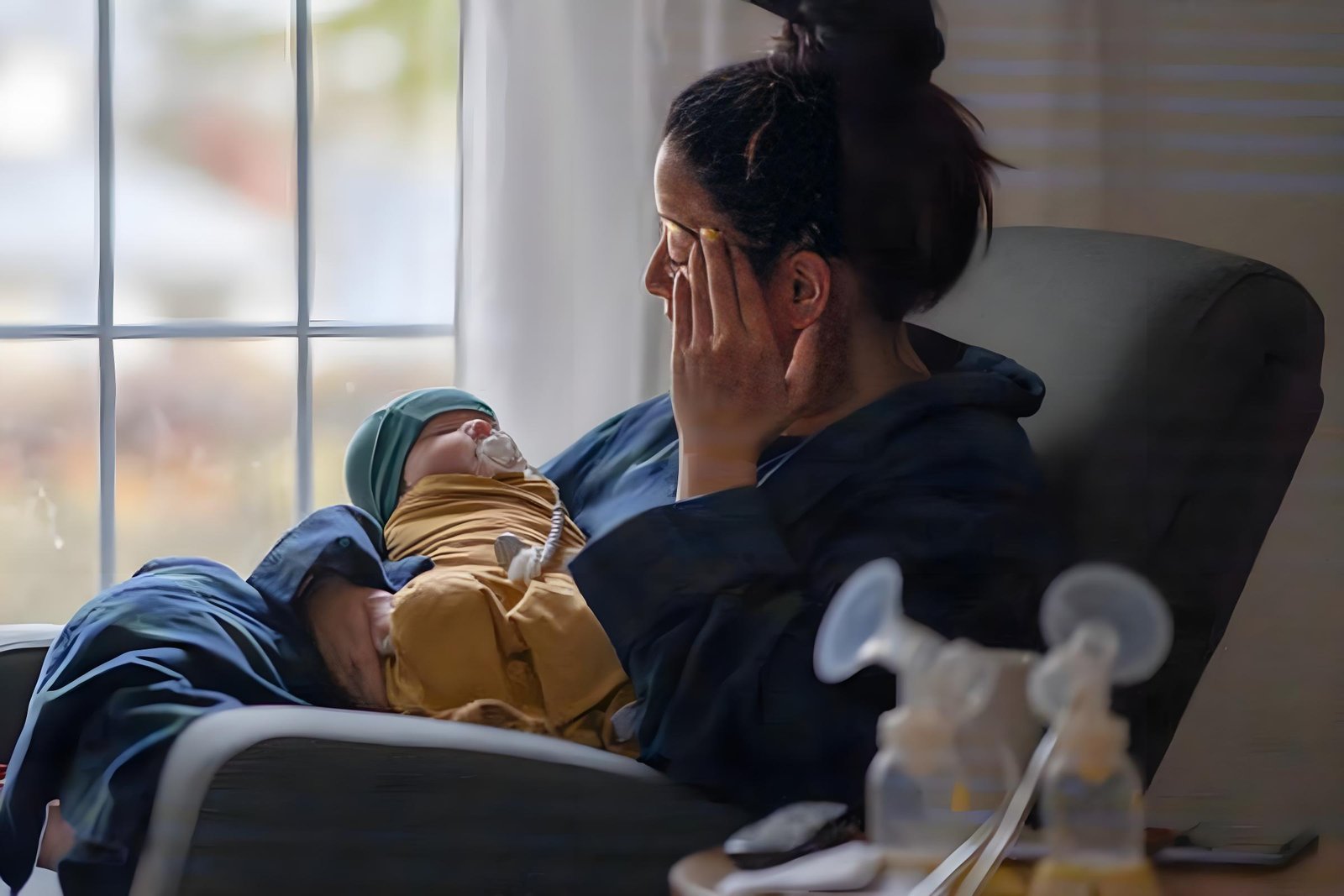
The birth of a child is often portrayed as the happiest time in a woman’s life—a period filled with joy, bonding, and maternal bliss. For many, this is true. However, for approximately 1 in 7 women, this transformative period is overshadowed by a dark, persistent cloud known as Postpartum Depression (PPD). Far more severe and enduring than the mild, transient “baby blues,” PPD is a major depressive episode that begins during pregnancy or after childbirth. It is a complex and often misunderstood medical condition that affects not only the mother’s well-being but also the cognitive, emotional, and social development of the child. Recognizing PPD as a legitimate illness rather than a personal failing is the first critical step toward healing.
Distinguishing Postpartum Depression from the “Baby Blues”
To understand Postpartum Depression, one must first differentiate it from the “baby blues,” a phenomenon experienced by up to 80% of new mothers. The baby blues typically peak around the third to fifth day after delivery and are characterized by mood swings, tearfulness, anxiety, and irritability. These symptoms are primarily attributed to the dramatic hormonal fluctuations (dropping estrogen and progesterone levels) combined with sleep deprivation and the psychological adjustment to motherhood. Crucially, the baby blues resolve spontaneously within two weeks.
Postpartum Depression, however, is different. It lasts longer than two weeks and is more intense. It involves a persistent low mood, anhedonia (loss of pleasure), and profound fatigue that interferes with a mother’s ability to care for herself or her baby. While the baby blues are a nuisance, PPD is a debilitating disorder that requires professional intervention.

Symptoms And Clinical Presentation
In the Diagnostic and Statistical Manual of Mental Disorders, Fifth Edition(DSM-5), PPD is classified as “Major Depressive Disorder with Peripartum Onset.” The symptoms mirror those of major depression but often carry unique themes related to motherhood.
Common symptoms include:
- Severe Mood Swings: Intense irritability or anger, often disproportionate to the situation.
- Overwhelming Fatigue: Not just typical new-parent tiredness, but a paralyzing exhaustion that sleep doesn’t fix.
- Detachment: Feeling numb or disconnected from the baby, or feeling like the baby “belongs to someone else.”
- Intrusive Thoughts: Terrifying, unwanted thoughts of harming the baby (which are ego-dystonic, meaning the mother would never act on them but is horrified by their presence).
- Cognitive Impairments: Difficulty concentrating, making decisions, or remembering things (“mommy brain” on steroids).
- Physical Symptoms: Unexplained aches and pains, changes in appetite (either eating too much or too little), and insomnia (even when the baby is sleeping).
- Feelings of Worthlessness or Guilt: Believing she is a “bad mother” because she isn’t happy or because she resents the baby.

Risk Factors And Etiology
Postpartum Depression is not caused by a single factor but arises from a confluence of biological, psychological, and social elements.
- Biological Factors: The rapid plummet of reproductive hormones (estrogen and progesterone) after delivery is a primary trigger. These hormones influence neurotransmitters like serotonin and dopamine, which regulate mood. Thyroid hormone fluctuations can also mimic depressive symptoms. Additionally, a personal or family history of depression or anxiety significantly increases risk.
- Psychological Factors: Women with low self-esteem, a history of trauma (especially childhood abuse), or perfectionist tendencies are more vulnerable. The stress of adjusting to a new identity, body image issues postpartum, and the loss of previous autonomy contribute to the psychological burden.
- Social and Environmental Factors: Lack of social support is one of the strongest predictors of PPD. Financial stress, marital conflict, an unplanned pregnancy, or isolation from family and friends can create a fertile ground for depression. The “supermom” myth—the pressure to “do it all” perfectly—also exacerbates feelings of inadequacy.
Impact On Mother And Child
The consequences of untreated PPD are far-reaching. For the mother, it increases the risk of chronic depression, substance abuse, and suicide—in fact, suicide is a leading cause of postpartum mortality.
For the infant, the impact is profound. Maternal depression can disrupt the “attachment bond,” the secure emotional connection vital for healthy development. Infants of depressed mothers may exhibit excessive crying, feeding difficulties, and sleep disturbances. Long-term, these children are at higher risk for cognitive delays, emotional dysregulation, and behavioral problems in school. PPD also affects partners, who may feel helpless, rejected, or burdened, potentially leading to paternal postpartum depression as well.
Treatment And Recovery
The good news is that PPD is highly treatable. Early intervention is key.
- Psychotherapy: Cognitive Behavioral Therapy (CBT) and Interpersonal Therapy (IPT) are first-line treatments. CBT helps mothers identify and reframe negative thought patterns, while IPT focuses on improving relationships and navigating role transitions.
- Medication: Antidepressants, particularly Selective Serotonin Reuptake Inhibitors (SSRIs), are safe and effective for many women. For breastfeeding mothers, the benefits must be weighed against minimal risks, and a psychiatrist can help choose the safest option. In severe cases, Electroconvulsive Therapy (ECT) may be used.
- Support Systems: Peer support groups (like those offered by Postpartum Support International) reduce isolation. Practical help from family and friends with chores, meals, and childcare allows the mother to rest and recover.
- Lifestyle Adjustments: Prioritizing sleep (even if it means asking for help so the mother can nap), nutrition, gentle exercise, and sunlight exposure can significantly bolster recovery.
Conclusion
Postpartum Depression is not a sign of weakness, nor is it a choice. It is a complex medical condition that thrives in silence and stigma. By talking openly about it, screening routinely during prenatal and pediatric visits, and providing compassionate, evidence-based care, we can ensure that more mothers receive the help they need. Recovery is not only possible but probable, allowing mothers to reclaim their joy and nurture the healthy, vibrant bond with their children that every family deserves. If you or someone you know is struggling, reaching out is not a cry for help—it is a step toward strength.