
Comfort Food Isn’t Indulgence. It’s Healing.
The Food That Makes You Feel Alive Again
Back in 1966, The Palm Beach Post gave a name to this kind of food that can steady your mood so quickly: comfort food.
When people are under pressure from life or work with nowhere to release it, they may reach for foods that soothe them — food that not only fills the stomach, but brings an enormous sense of satisfaction.
From a psychological perspective, this may be a form of “substitute satisfaction.”
Psychoanalysis holds that when the satisfaction an individual longs for cannot be attained, the person turns to something simple and easily obtained, in order to experience a satisfaction of equal effect.
Some people may worry: using food to satisfy emotional needs — if you let yourself eat and drink without restraint, won’t you gain weight easily?
In fact, when we let go of our excessive anxiety about calories and our harsh judgment of our bodies, and allow ourselves to enjoy a meal we genuinely want, the dopamine released brings the purest kind of happiness and helps us heal ourselves.
No matter how much grievance or pressure you’re carrying, it seems that one long-awaited serving of comfort food is enough to help you slowly get through even the biggest, hardest things.
Today, Kelly wants to talk with you about this eating habit that seems like it will make you gain weight but actually relieves stress wonderfully — I recommend you all try it when you’re feeling down.

It Takes These 3 Qualities to Be Real “Comfort Food”
Unlike ordinary food, comfort food was described by scholars Sarmiento and Marcelino as: “food prepared traditionally, possessing nostalgic or appealing qualities.”
For a food to become comfort food, it usually has three characteristics:
1. It triggers a strong psychological experience.
Is there a food that, merely at the sight or smell of it, brings back your memories?
It might remind you of your hometown, of the people you once shared it with, or of the story that happened when you tasted it.
For example: a steaming serving of oden (a Japanese hot pot dish) might instantly pull you back to your student days, reminding you of cold winter nights sharing it with your roommates.
A single bite of a familiar-tasting dish might bring back the memory that this is the dish your parents often made for you when you were little.
In psychology, this phenomenon is called the “Proustian Effect”: as soon as you smell or taste a once-familiar flavor, it triggers an intense emotional reaction.
Psychiatrist Guillaume Fond explains: food engages our senses on every level — through smell, taste, texture, and the emotions present at the time.
This information is stored in fused form in the brain’s hippocampus and amygdala. The hippocampus is responsible for consolidating and storing memory, while the amygdala manages emotion.
When we smell that familiar scent again, the olfactory signal first awakens the amygdala, which in turn activates the hippocampus, unlocking the treasure box of associated memories — giving rise to a deep and powerful psychological experience.
2. Food that makes the body genuinely comfortable.
Scholars Locher and colleagues found that food which makes the body feel comfortable has, in itself, a mood-soothing effect.
For instance, on a summer day, a bite of ice cream, a piece of watermelon, or a sip of ice-cold cola — and you’ll find the irritability caused by the heat seems swept away by the coolness.
Psychology has a theory called embodied cognition, which holds that our cognitive processes are not completed by the brain alone, but are also influenced by the state of the body.
In other words, physical state also affects our emotions in reverse.
Beyond temperature, the texture of food can also make our bodies feel comfortable.
Some people love chewy, soft, sticky foods — like cotton candy and rice cakes.
Others prefer rich, substantial foods — like a decadent cheesecake or juicy fried chicken.
Research has found that this kind of food not only brings sensory satisfaction, but also rapidly raises blood sugar levels, triggering the brain’s reward system and giving us an immediate feeling of pleasure.
3. Food that is convenient and quick to obtain.
Locher and colleagues also found that foods which are convenient and quick to prepare — such as instant noodles, grilled sausages, or rice balls you can grab at any convenience store — bring intense satisfaction precisely because they are “instantly available.”
This “want it and have it right now” fulfillment is, in itself, a form of emotional soothing.
Researchers suggest that when an individual is under enormous pressure or negative emotions, they may fall into a brief state of “somatization,” having neither the inclination nor the energy to properly prepare a meal.
At such a time, these convenient foods — requiring no waiting, yet able to soothe both body and mind — become a gentle salvation.
They may not be refined, but at that moment when your heart most needs companionship, they catch you steadily and hold you.

Why Does Comfort Food Heal Us So Gently?
Research by Locher and colleagues found that while there are many types of food that can have a soothing effect, we don’t necessarily choose the one we love most.
Instead, we may give priority to those foods that evoke special emotions or memories.
Why do these foods soothe our emotions more effectively?
From a psychological perspective, there may be two reasons:
1. Comfort food becomes a psychological secure base.
Beyond filling the stomach, these foods are more like a safe harbor for the soul.
They carry the warm fragments between us and our parents, lovers, friends, and even strangers we met only once — and can instantly awaken that sense of being loved, of safety, in our hearts.
Like when you were sick as a child, and Mom would always cook you a bowl of soft, warm millet porridge.
Every time you went to visit your grandparents, Grandpa would always bring you candied haws from the stall beside the market.
During university finals week, the cafeteria lady, seeing how hard you were studying, would always scoop you an extra spoonful of Kung Pao chicken…
Psychologist John Bowlby proposed secure base theory. He believed:
When an infant expresses needs through crying, and the parents respond to those needs promptly and accurately, the child comes to treat the parents — and the surrounding environment — as their “secure base,” developing trust in them.
This base is synonymous with warmth and safety.
No matter what happens, as long as you return here, you still feel loved, cared for, and unconditionally accepted.
In adulthood, this “secure base” is no longer only our parents. It expands to include friends, partners, pets, and even the foods that carry our warm memories.
Every time we taste it, it is a gentle confirmation: I was once loved this deeply. I deserve to be treated well. I am safe enough.
2. It gives us a strong sense of belonging.
Research indicates that food can give people a powerful sense of belonging.
My friend Candy told me her story.
After graduating from university, she moved alone to a faraway city, and within a single week, completed all the essentials: finding a job, renting an apartment, and moving in.
Maybe because she was homesick, maybe because the place was unfamiliar, or maybe simply because she was so exhausted during that period.
On her first night in the new apartment, she was suddenly struck by a feeling of rejection — as if she didn’t belong in this city, didn’t know what the future held, or whether she could hold on.
Just at her lowest moment, the landlady knocked on her door.
It turned out she’d thought: a young woman moving by herself this late might be hungry, so she’d simply cooked an extra portion of noodles for her.
In Candy’s eyes, the noodles the landlady brought weren’t especially delicious — yet they warmed her in a way that felt solid and real, giving her the first feeling of “being accepted by this new city.”
In that instant, she decided she would stay in this city and begin her new life.
Psychologist Maslow’s hierarchy of needs holds that humans are born with a desire to be accepted and recognized.
This acceptance and recognition come not only from those close to us, but also from the social groups we belong to.
In a particular culture or group, food serves as an important bond connecting the individual to society, allowing us to feel a powerful sense of belonging.
They don’t need to be delicious. Just in the instant of tasting them, we feel that we have been gently accepted by this new social group.
And because of that, we can better adapt to a new identity, integrate into a new group, and find our new place in this world.
Comfort Food: What to Eat When You’re Sad, Anxious, or Angry
Many of us have had this experience: when feeling low, we can’t help but eat a big meal, especially high-calorie foods like barbecue and fried chicken — only to fall into self-blame afterward, as if caught in a vicious cycle of “emotional eating.”
But comforting yourself doesn’t have to come at the cost of your health.
When we notice our emotions are off, we can choose foods that are more targeted and healthier — and even get creative with how we prepare them.
Eating the right things is, in itself, a gentle act of self-healing.
Let’s take a look at how we can use food to take good care of ourselves, depending on the emotion we’re feeling.
1. When you feel angry
What you need most at this moment is food that can quickly calm the nervous system and help it settle down.
Foods rich in omega-3
Research has found that when the body lacks omega-3, impulsive tendencies are more likely to appear.
The unsaturated fatty acids in omega-3 can block neural transmission pathways and increase the secretion of serotonin, which makes our emotions more stable and calm.
Without enough serotonin, a person may feel depressed, anxious, and even develop sleep problems.
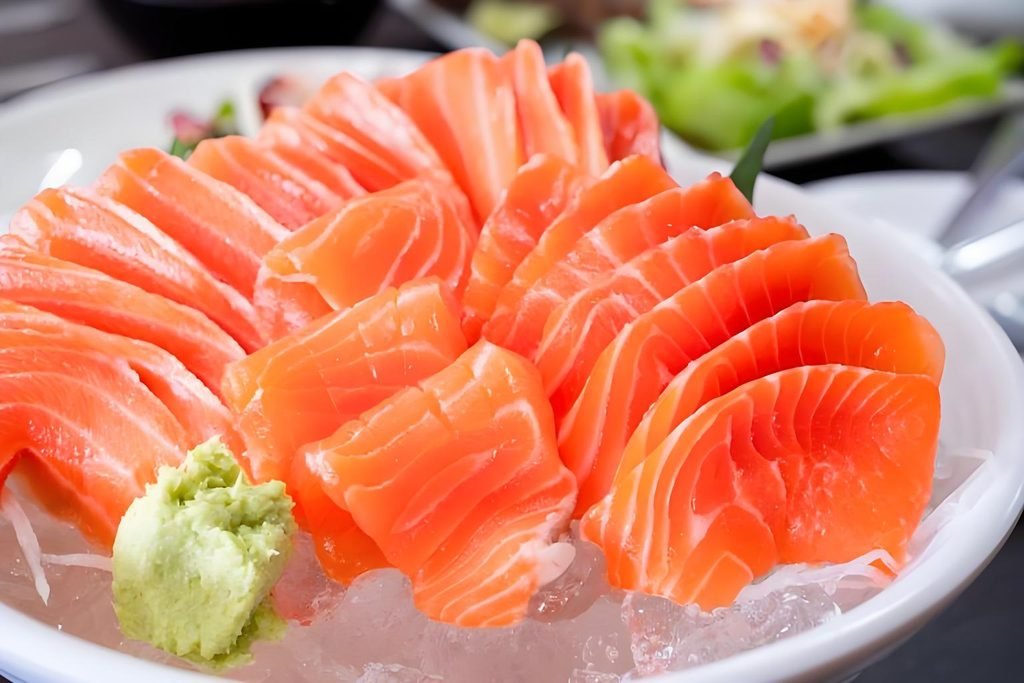
So you can eat foods rich in omega-3, such as seafood like salmon, hairtail fish, and sea bass, as well as nuts like walnuts, flaxseeds, chia seeds, and pine nuts.
Foods rich in tryptophan
Research has found that tryptophan has an important influence on mood.
Working together with vitamin B6, niacin, and magnesium, it acts on the brain to produce more serotonin, thereby stabilizing emotions.
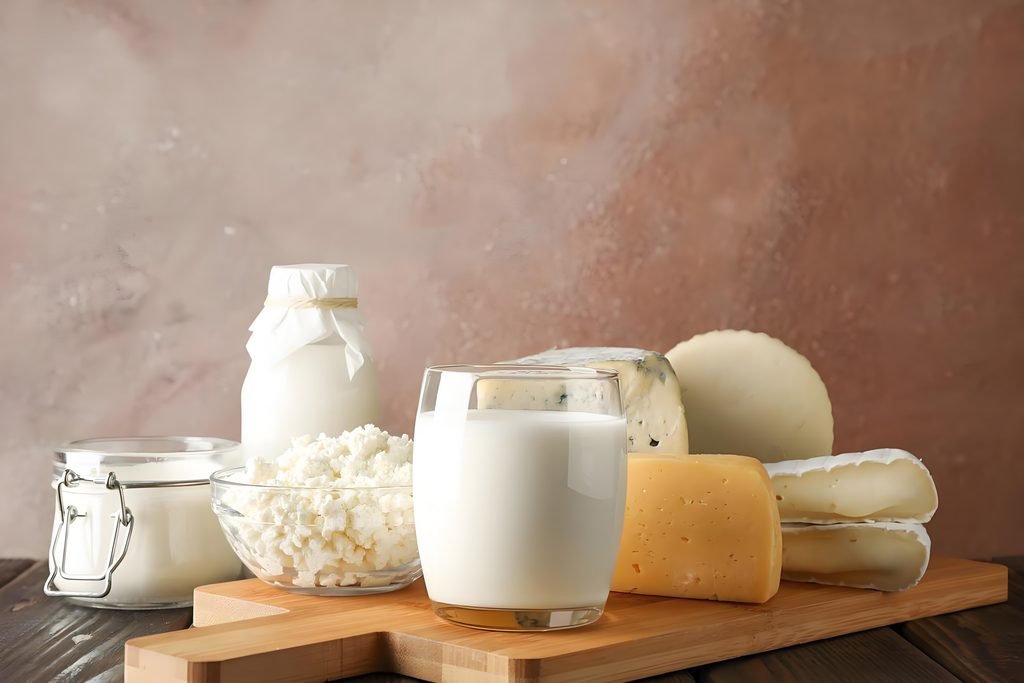
Dairy products like cheese and milk; poultry, fish, and eggs; nuts and seeds like pumpkin seeds, legumes, oats, peanuts, and pistachios; as well as leafy green vegetables — all contain abundant tryptophan.
2. When you feel depressed
At times like this, please supplement with more vitamin-rich foods, especially vitamin C and vitamin D.
Research shows that vitamin C supplementation can lower stress hormone levels and reduce the body’s stress response.
It is also an important co-factor in the synthesis of serotonin and can significantly improve mood.
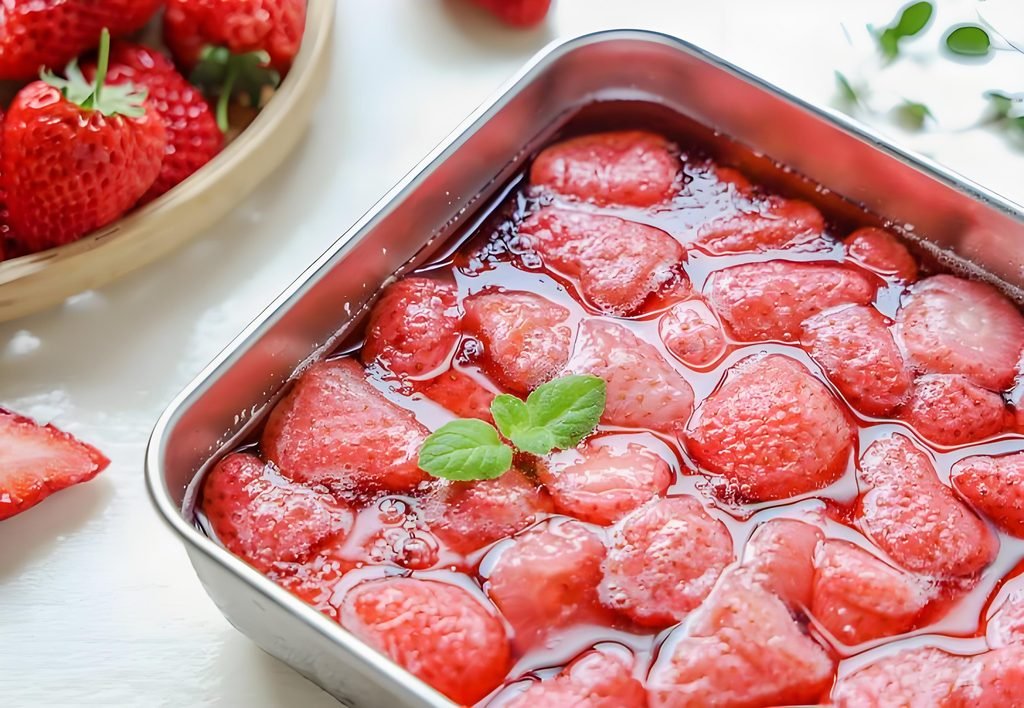
So you can eat more fruits and vegetables high in vitamin C — such as kiwi, guava, strawberries, papaya, oranges, and tangerines.
In addition, research has shown that when the body’s vitamin D levels remain low over a long period, it may lead to depression.
For this reason, vitamin D is widely recognized as a natural supplement for reducing depressive moods.
So when you feel down or depressed, you can choose fish, animal liver, eggs, dairy products, or mushrooms — to quickly bring yourself back to life.
3. When you feel anxious
Beyond the foods mentioned above, the book You Are What You Eat specifically notes:
Eating more foods containing vitamin B and minerals such as magnesium, manganese, selenium, iron, and zinc can markedly improve anxiety.
These include whole grains like brown rice and oats; legumes and soy products like soybeans and black beans; and dark chocolate.
In addition, theanine in green tea has been shown to have anti-anxiety effects. When you’re feeling troubled, try slowly savoring a cup.
4. When you feel sad
Brightly colored foods are often natural “happiness catalysts.”
Research suggests that foods rich in antioxidants help reduce oxidative stress and inflammatory responses in the body, and increase the secretion of dopamine and serotonin — thereby easing sadness.
Fresh fruits and vegetables with deeper colors are rich in antioxidants — such as carrots, pumpkin, purple cabbage, mulberries, tomatoes, spinach, and green peppers.
As for how to cook them? Don’t hold back.
Whether it’s a hot pot, a barbecue, or a simple bowl of clear soup…
Choose your favorite flavor and texture, and settle into that healing moment that belongs to you.
After all, eating well and living with your whole heart — these are the things most worth doing in this world.